Why the busiest stretch of your airport deserves the same attention as the parking deck
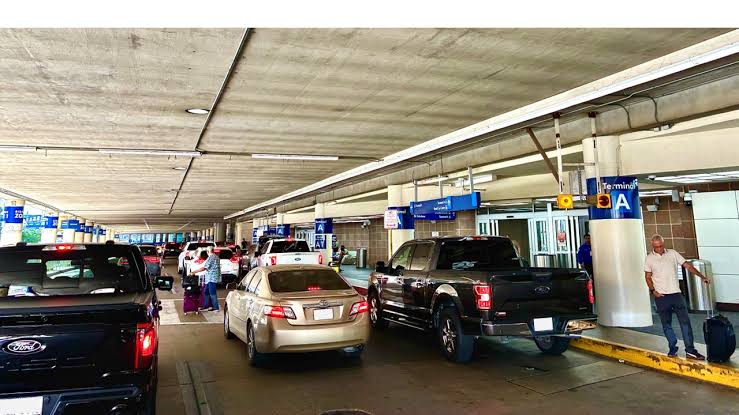
When the curb backs up on a Friday evening, nobody blames the rideshare driver who stayed eleven minutes. They blame the airport.
That reaction is fair. And it points to something airports have been slow to act on.
The terminal curb is not just a road with cars on it. It earns money. It carries one of the biggest non-aeronautical revenue lines the airport has. And at most airports, it is still managed by watching.
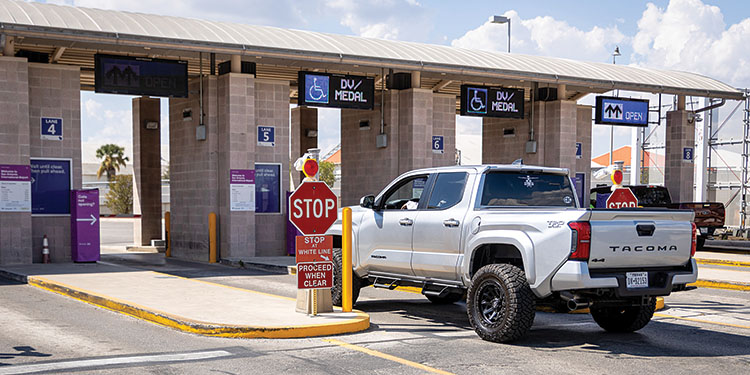
Parking made this shift years ago. It has a system, a revenue model, reports, and a place in commercial planning. The curb sits a hundred feet away, earns a fee on every commercial trip, and is usually run by a small team with radios.
How much revenue does airport ground transportation actually generate?
ACI-NA’s FY2024 benchmarking puts parking and ground transportation at 46% of all non-aeronautical revenue at North American airports. That is around $6 billion. It is the largest single category, by a wide margin.
The mix inside that number has changed. Parking and rental car use per passenger has fallen at many airports. Per-trip fees on rideshare, taxi and limo operators have taken up much of the slack.
Those fees are no longer small. Of 54 large and medium hub airports in the US, 43 charge a rideshare pickup fee. Most sit between $3 and $5 a trip.
And the rates are rising. In March 2026, the Los Angeles Board of Airport Commissioners raised the LAX central terminal rideshare fee from $4 to $12. The rate at the Ground Transport Center went to $6. It was the airport’s first fee change in more than a decade.
So here is the question. Is a revenue line that size run as carefully as the parking operation next to it? At most airports, the honest answer is no.
Why do airports collect less than they charge for?
To collect a per-trip fee in full, an airport needs three things.
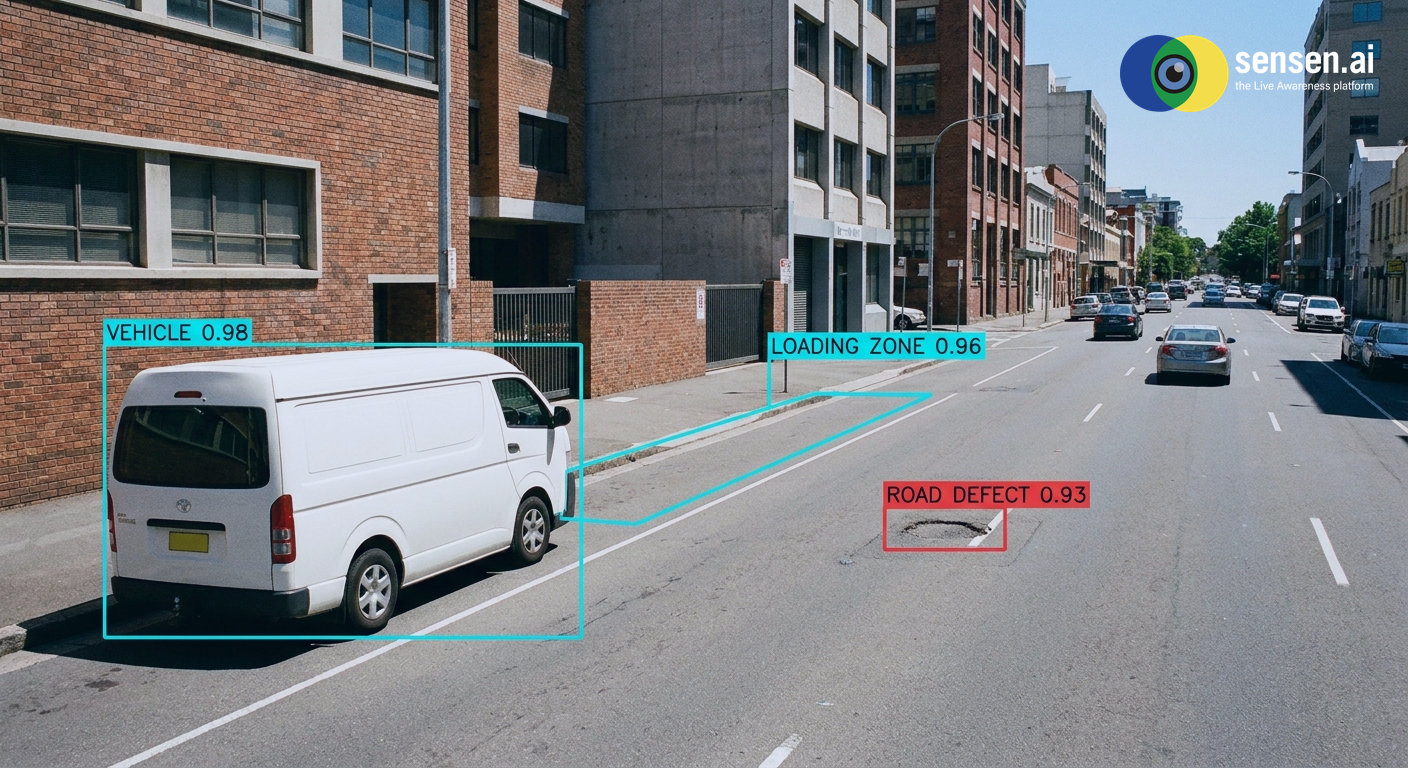
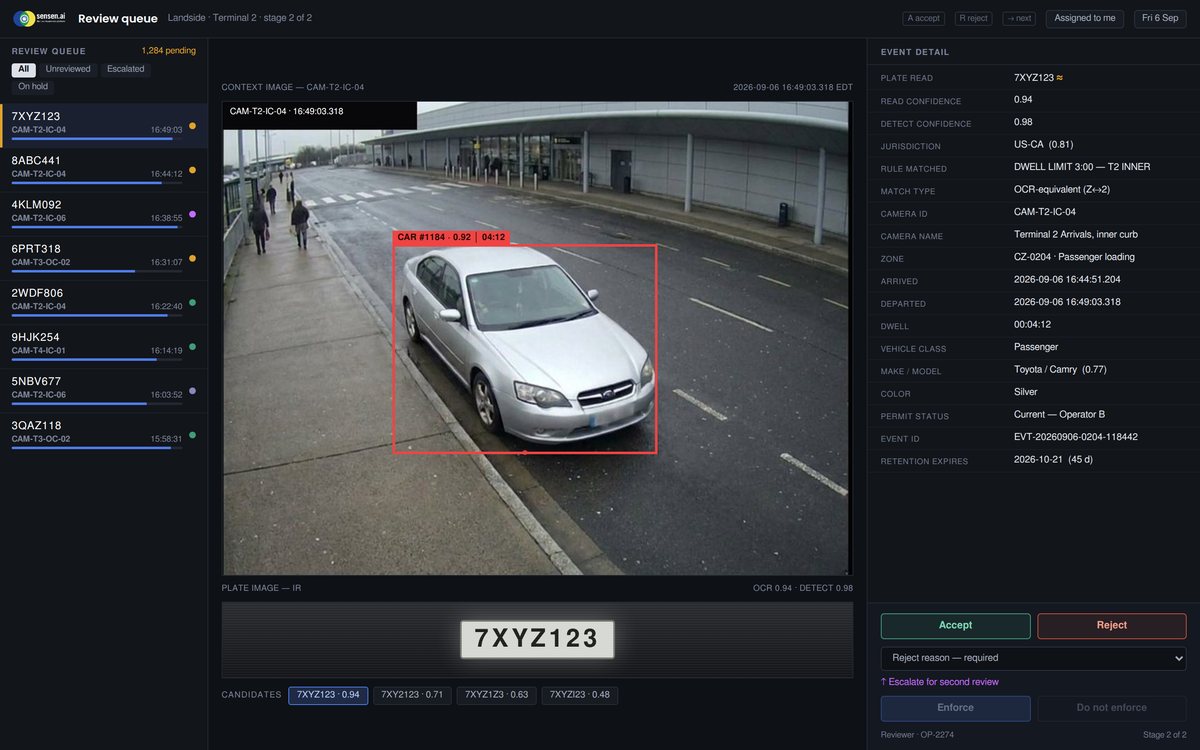
It needs to see each commercial stop. Which vehicle, in which zone, for how long.
It needs to count those stops properly. One stop is one session, from arrival to departure. Not a handful of separate sightings.
And it needs to match each session to a permitted operator.
Miss any one of the three, and the airport is billing from someone else’s numbers. Per-trip fees are usually invoiced on trip counts that the operators supply themselves.
That was fine when the fee was a dollar or two. It is harder to defend at $12 a trip.
Why does the gap exist at all?
It helps to be clear about why the gap exists. It is not a compliance failure.
Shops and restaurants were measured from day one because they had to be. Most airport retail leases take a share of sales. The airport’s income depends on the tenant’s number, so the leases were written with reporting rules and audit rights. Point-of-sale systems followed.
Parking got measurement almost by accident. A gate produces a count whether anyone planned it or not.
Curbside fees got neither. The counting stayed with the company being billed, and it stayed there while the number grew.
The result is an audit clause most airports cannot really use. Almost every ground transportation agreement gives the airport the right to inspect an operator’s records. But without its own count, the airport is checking the operator’s data using the operator’s own definitions. An audit right with no second number is just permission to read someone else’s spreadsheet.
Unpermitted vehicles cost money before they cause trouble
Ask a landside team about unpermitted operators and the talk turns to enforcement. How many are there, how often, what can we do.
Look at it commercially and it reads differently. Every unpermitted pickup is a trip nobody billed. It also undercuts the operators who do pay to be there.
The same goes for trade dress mismatches, where a vehicle carries one company’s branding but works under another permit, or none. Harder to spot, same effect.
Industry estimates suggest only a small share of curbside violations are ever caught by eye. And the ones that are missed are not spread evenly. They cluster among the operators least likely to report themselves accurately.
What happens when an airport charges different prices for different curb zones?
The LAX decision is worth a closer look, because the headline number is not the interesting part.
They set two prices, not one. $12 at the central terminal. $6 at the Ground Transport Center.
That is pricing by distance. Parking has done it for decades: pay more for the deck by the door, pay less for the remote lot. LAX has now applied it to a curb that used to cost the same everywhere.
Two prices create a loophole the moment they exist. If a trip is billed at the cheaper rate but actually happened at the terminal door, the airport loses the difference. The only way to close that is to know which zone every trip used.
Any airport looking at tiered pricing should treat that as part of the pricing decision, not a project for later.
What does curbside measurement look like in practice?
The good news is that this is no longer a construction project.
Existing cameras often work. Many airports already have cameras on the frontage. What is missing is the layer that turns those feeds into plate reads, vehicle types and dwell times.
Portable units fill the gaps. Where coverage is missing, small units install in under thirty minutes. No trenching, no new poles, no lane closures. They can be moved from terminal to terminal as the problem moves.
The software runs where IT wants it. On the camera itself, or on a server inside the airport network for airports with strict data rules.
Plate data follows the airport’s policy. Masked on anything a driver can see. Full reads kept back-office, on the airport’s retention schedule, not a vendor’s.
Detection is automated. Decisions are not. Alert-only is a normal way to run this, and many airports stay there for good. None of the revenue benefit above depends on issuing a single extra ticket.
What should airports ask a curbside vendor?
- Can it count commercial trips by operator, by zone and by hour, without relying on operator reports?
- Is dwell measured from arrival to departure, or from one camera read that bad weather can break?
- Can trips be tied to a specific zone, accurately enough for tiered pricing?
- Does plate-to-permit checking run against your permit records, in real time?
- Can it run on your own network if IT requires it? Who sets how long data is kept?
- Does installation need new poles, trenching or lane closures?
- How does it perform at night and in rain — and will they prove it on your curb, not in a lab?
If the answer to the last one is a single accuracy percentage, ask again.
How SenSen approaches this
SenSen’s airport landside platform uses computer vision already running for cities, transport authorities and police forces around the world, adapted for the airport curb.
It measures dwell, lane occupancy, turnover and vehicle type across every zone. It checks each commercial plate read against your permit and trade dress records. And it produces an independent count of trips by operator and zone, so you have a number to set against what operators report.
Violations can go to officers in real time with the evidence attached. Airports that want to go further can run the full citation flow, on their own policy and timeline. It is not a condition of using the platform.
It works with your existing cameras, portable units or pole-insertable devices, and runs at the edge or on your own servers.
Start with one week and one terminal
Parking earned its place in commercial planning by being measured. Ground transportation grew just as large without getting the same treatment. Every fee rise makes that gap more expensive.
You do not need to buy anything to find out how big it is. Pick one terminal. Count every commercial trip by operator and zone for a week. Compare it with what those operators reported for the same week.
That comparison usually settles the business case faster than any forecast.
Because airport curbside is not just traffic. It is a revenue operation.
Frequently asked questions
How much of airport revenue comes from ground transportation?
Parking and ground transportation together account for 46% of all non-aeronautical revenue at North American airports, around $6 billion a year, according to ACI-NA’s FY2024 benchmarking. It is the largest single non-aeronautical category, ahead of retail and food and beverage combined.
How are airport rideshare pickup fees usually billed?
Most airports invoice per-trip fees using trip counts supplied by the operators being billed. Of 54 US large and medium hub airports, 43 charge a rideshare pickup fee, most between $3 and $5 per trip. Few airports hold an independent count to check those figures against.
What is curbside dwell time?
Curbside dwell time is how long a vehicle stays at the terminal curb, measured from arrival to departure. Measuring it as a single session rather than from one camera read matters, because a missed frame in rain or glare can otherwise reset the clock or lose the vehicle entirely.
Can airports use their existing cameras for curbside monitoring?
Yes. Existing camera feeds are a supported input for most modern curbside platforms. Where coverage is missing, portable or pole-insertable units can be added in under thirty minutes without trenching, new poles or lane closures, and relocated as compliance improves at one terminal.
Does curbside monitoring mean issuing more citations?
No. Alert-only is a normal operating posture and many airports adopt it permanently. Detection and evidence are automated; the decision to issue a citation stays with an officer. The revenue and congestion benefits do not depend on writing a single additional ticket.
Take the next step
Download the four-page airport landside brief — what the platform sees on day one, and what it can automate later.
Talk to our airport team about measuring one terminal frontage.