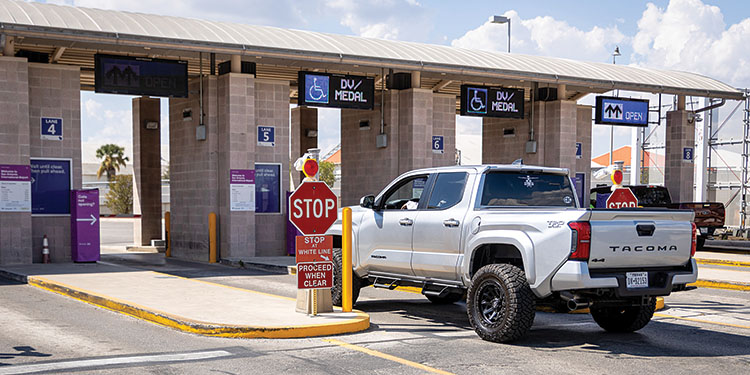
Most councils buy parking management software first. The enforcement team needs to cover more ground, so it buys a tool for parking. Then roads, assets, community safety and reporting each get their own system, their own login, and their own version of the truth. The council ends up owning a great deal of data and able to see very little of it at once.
City intelligence is the alternative: one platform that runs parking, roads, assets, community safety and reporting on a single data model, so every team sees the same street. SenSen has spent more than 17 years across 60+ cities building exactly that. This piece is about what changes when those five jobs stop being five disconnected tools.
Why do councils end up with a different system for every department?
Because each problem arrives on its own timeline. The parking team buys enforcement software when patrol coverage falls behind. The roads team commissions an asset audit when the register goes stale. Community safety inherits a camera network no one designed to be searchable. Each purchase is reasonable on its own. Together they leave a council paying for four systems that cannot talk to each other.
The cost is not only licence fees. It is the officer who cannot see that a defect report and a parking complaint describe the same street. It is the director who waits a fortnight for a spreadsheet that is out of date the day it lands. Fragmented systems make every cross-department question expensive to answer, so most of those questions never get asked.
What does running parking, roads and assets on one platform actually change?
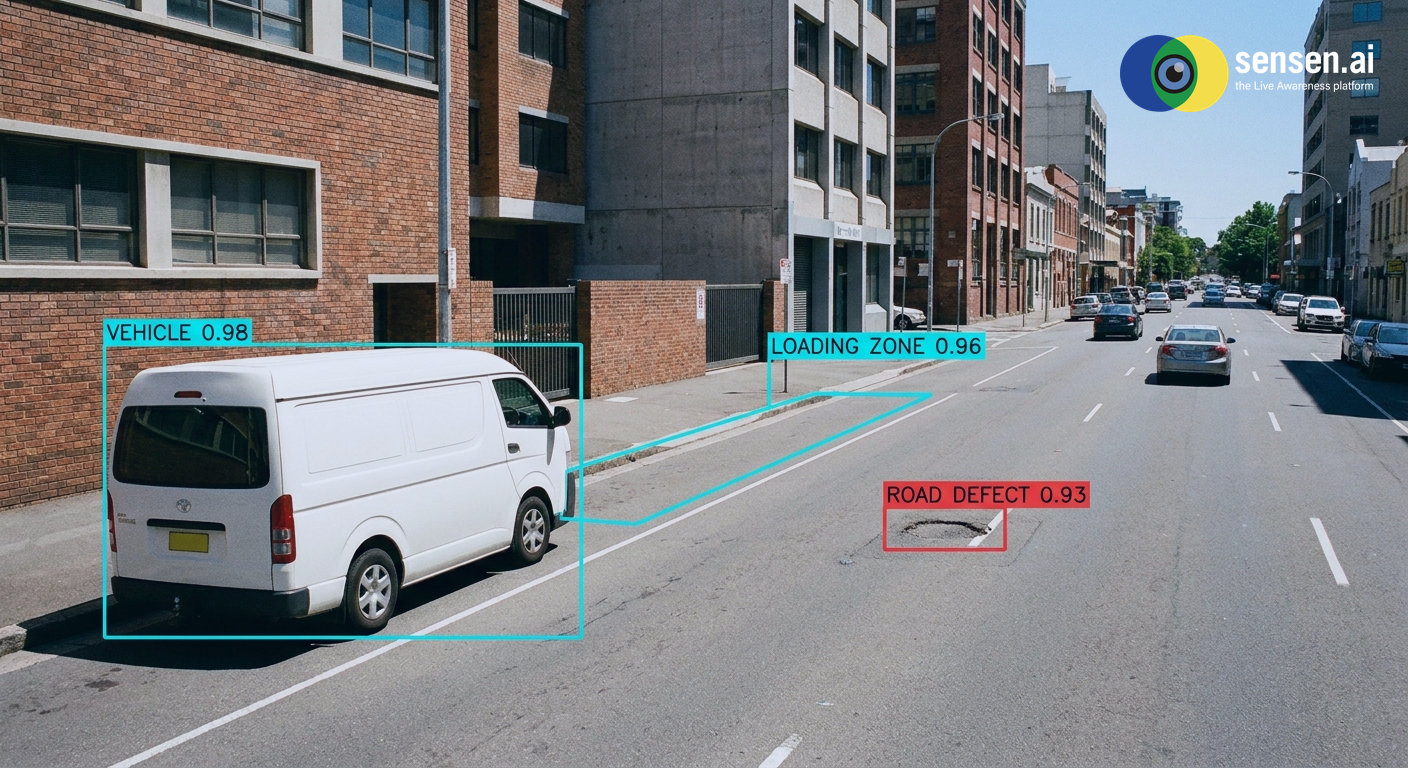
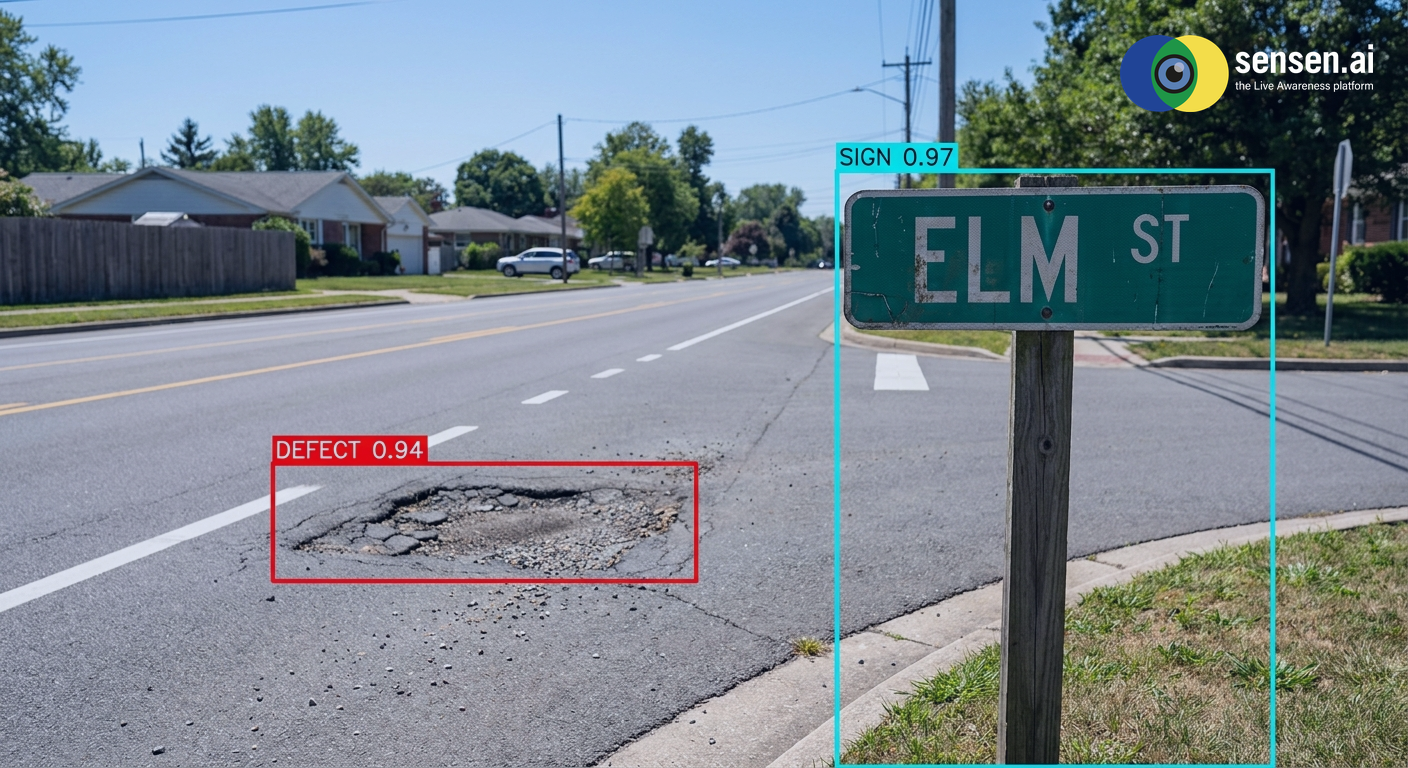
It gives every team one picture of the same street. Parking plate reads, road and asset condition, occupancy and safety events all land in one data model instead of four systems. The platform surfaces what is on the street, then hands it to the officer or engineer who decides what to do. One team’s field work becomes another team’s evidence, with no data migration project in between.
The same platform scales from a single council to a state road authority. In one mobilisation, Transport for NSW used it to identify more than 54,800 road defects across a 200 km network: the same asset intelligence a mid-size council uses, at a different scale, from the same system.
How does one platform fit the systems a council already runs?
It connects to them rather than replacing them. SenSen works with the asset and finance systems a council already runs, the mapping layers it already uses, and the cameras it has already paid for. The council keeps its systems of record, and the platform adds the field intelligence those systems were never designed to capture.
SenSen sits inside an ecosystem of more than 200 major parking partners, so the platform reads and writes to the tools a council already depends on. Enforcement notices flow to the back office. Asset conditions flow to the asset register. Nothing asks the council to rip out what already works.
Can one platform improve community safety without adding headcount?
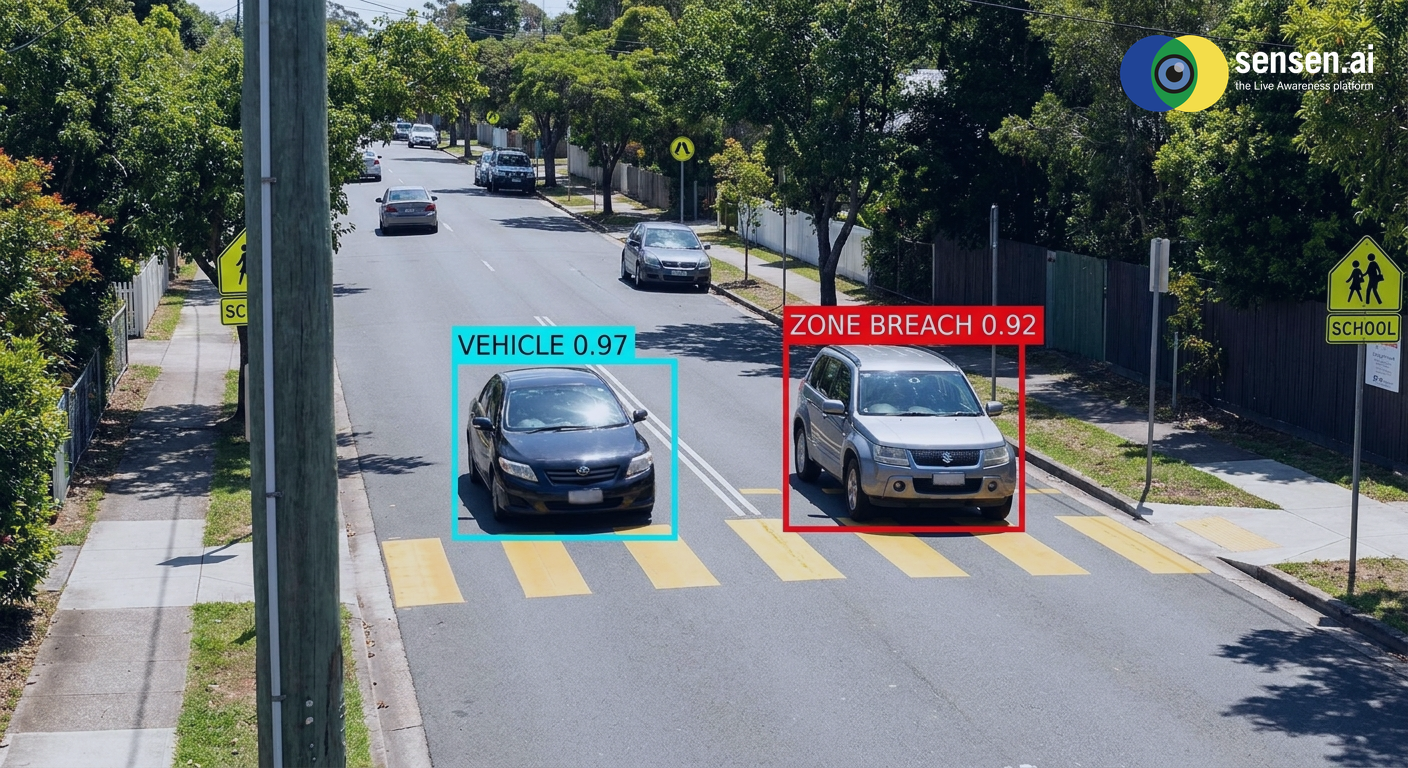
Yes, by making the cameras a council already owns do more. SenSen runs its detection on existing camera networks, so a council can add community safety monitoring without a new network or a bigger team. The system watches for the events that matter and surfaces them to an operator, who stays the one who decides.
The approach extends a team rather than replacing it. The Hills Shire Council cut heavy-vehicle complaints on a route from 286 to 160 after moving from occasional patrols to continuous coverage, the same officers covering far more ground because the platform extended their reach.
How do leaders see across departments without a business intelligence team?
They read one brief instead of chasing five reports. SenIQ is the intelligence layer that sits over parking, roads, assets and safety and turns the day’s field activity into a plain-language summary. A director can ask a question in ordinary English and get the council picture back, without waiting on IT or standing up a reporting team.
This is where one data model pays off. Because enforcement, asset and safety data already share a spine, the reporting does not need to stitch four exports together. Programme performance becomes defensible, because it is drawn from the same record the field teams created, not a separate spreadsheet built after the fact.
Where do councils start?
With one department, then the next. No council modernises everything at once, and SenSen does not ask it to. Most begin where the pressure is highest, usually parking enforcement, prove the outcome, then extend the same platform to roads, assets, safety and reporting as budgets and asset plans allow.
Because it is one platform, each new department inherits the data the last one created rather than starting from a blank system. City intelligence is not a single purchase. It is what a council ends up with when every step it takes still talks to the last one.
To see how councils move from parking management software to a connected view of the whole street, explore the SenSen platform or talk to our team about where your council could start.
Frequently asked questions
What is parking management software?
Parking management software is the system a council uses to detect, record and process parking and curb compliance: plate reads, permit checks, occupancy and notices. SenSen provides this through SenFORCE and SenPIC, then connects it to roads, assets, safety and reporting, so parking becomes one part of a wider view rather than a standalone tool.
What is city intelligence for local government?
City intelligence is a single platform that runs parking, roads, assets, community safety and reporting on one data model, so a council sees the same street from every department. It replaces separate systems that cannot share data with one connected layer of field intelligence.
Does a council have to replace its existing systems to use SenSen?
No. SenSen connects to the asset, finance and mapping systems a council already runs and the cameras it already owns. The platform adds field intelligence to those systems rather than replacing them.
Can SenSen run on the cameras a council already has?
Yes. SenSen applies its detection to existing camera networks, so a council can extend community safety monitoring without buying a new network or expanding its team.
How does one platform help departments that never shared data before?
Because parking, roads, assets and safety feed the same data model, one team’s field work becomes another team’s evidence. A defect report, a parking complaint and a safety event about the same street sit in one record instead of four systems.
What is SenIQ?
SenIQ is SenSen’s business intelligence layer. It turns the day’s activity across parking, roads, assets and safety into a plain-language summary and answers questions in ordinary English, so leaders get the council picture without a dedicated reporting team.
Does one platform mean fewer officers?
No. SenSen extends the reach of the officers a council already has, so the same team covers more ground. Adding departments to the platform adds coverage and evidence, not headcount.
Is the data defensible enough for council reporting?
Yes. Because reporting draws on the same record the field teams create, programme performance is traceable to source rather than reassembled from separate spreadsheets.
How does a council get started with city intelligence?
Most start with the department under the most pressure, prove the outcome, then extend the same platform. Each new area inherits the data the last one created, so the picture gets more complete with every step.