
A parking enforcement ecosystem is the connected set of city systems, payments, permits, asset management and geographic information systems, that a modern enforcement program feeds and draws from, rather than running as a standalone silo. For most cities the hard part is not adding intelligence to the curb. It is adding that intelligence without ripping out the digital infrastructure already in place. SenSen was built for exactly that: an AI layer that plugs into the systems you already run, so enforcement becomes a shared source of curb data across the stack instead of another black box in the corner.
The shift matters because parking enforcement is no longer only about issuing tickets. It is about mobility, congestion, safety and the everyday experience of residents and visitors who need to find the curb. When the enforcement layer talks to the rest of the city, that broader mission becomes measurable. When it does not, you get a data silo that nobody downstream can use. This piece looks at what a genuine parking enforcement ecosystem is, why legacy license plate recognition creates silos, and how an open, integration-first approach lets the curb feed the wider city without a rip-and-replace project.

What is a parking enforcement ecosystem, and why does it matter now?
A parking enforcement ecosystem is the web of connected systems that together turn curb activity into decisions a city can act on, spanning payment platforms, permit registers, asset and GIS records, and the enforcement layer that sits over all of them. It matters now because the questions cities face have outgrown the ticket. Leadership wants to know whether the curb is turning over, whether loading zones are working, whether accessible spaces stay clear, and whether the enforcement program is fair and defensible. None of those questions can be answered by a device that only prints notices. They can be answered when detection, payment status, permit rules and location intelligence live in the same connected picture. That connected picture is the ecosystem, and enforcement is one of its most valuable sensors.
Why do legacy license plate recognition systems create data silos?
Legacy license plate recognition systems create data silos because they were designed to do one job, read a plate and flag a possible violation, and were never built to share what they see with the rest of the city. The plate read happens inside a closed unit, the result stays inside that vendor’s software, and getting the data anywhere else means an export, a spreadsheet or a custom bridge that nobody maintains. The camera becomes a black box: it produces enforcement outputs, but the rich curb signal behind those outputs, occupancy, dwell, turnover, compliance patterns by block and by hour, is trapped. Cities end up with an enforcement tool that cannot inform payment strategy, cannot update the asset record, and cannot tell the transportation team what is actually happening on the street. The result is not a lack of data. It is data that cannot travel.
How does SenSen act as the intelligent brain for a city’s digital body?
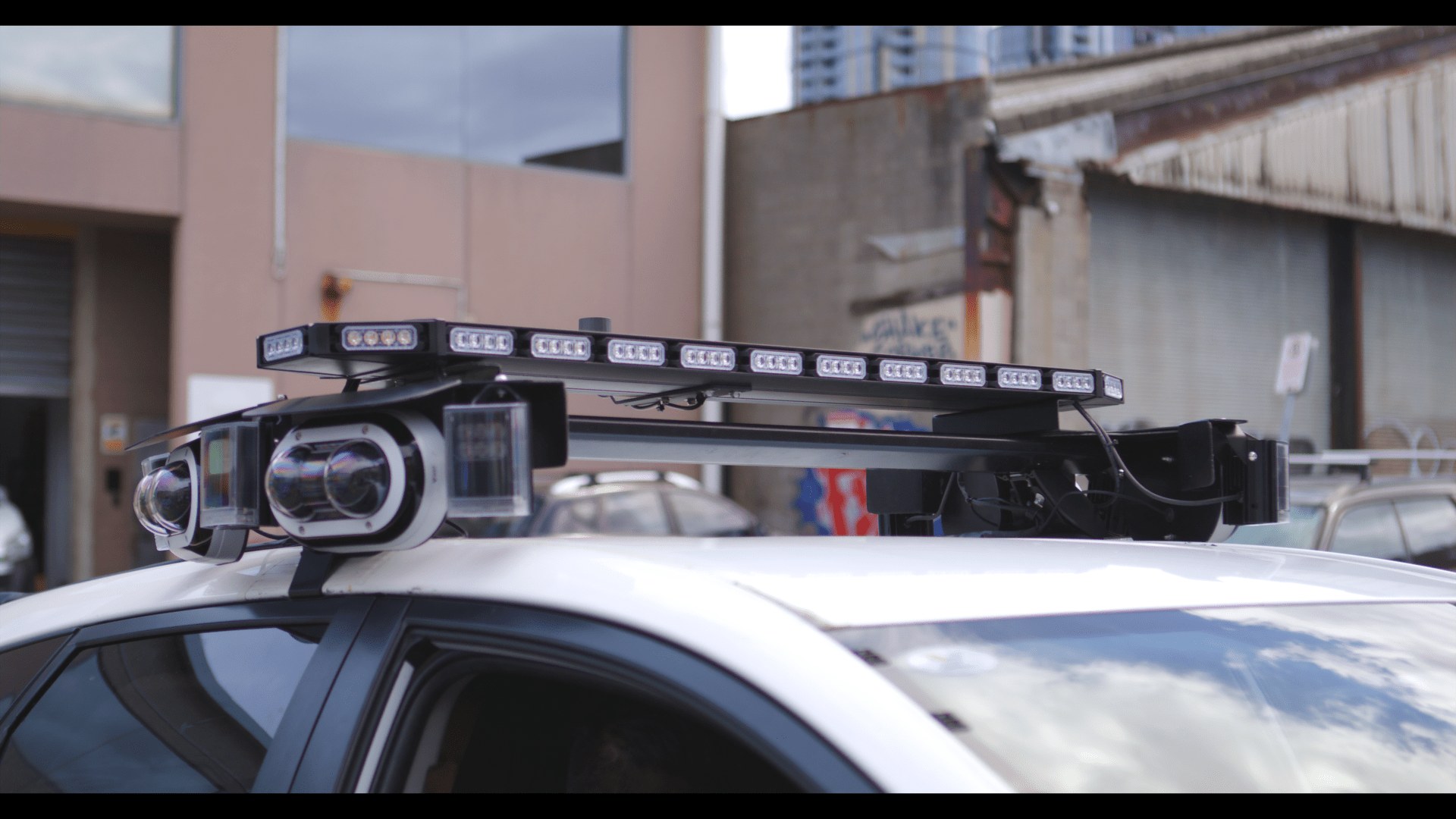
SenSen acts as the intelligent brain by understanding the whole curb in real time and then sharing that understanding across the city’s existing digital body through open APIs. As officers patrol, vehicle-mounted cameras in SenFORCE read every rule on the curb in a single pass, and fixed SenPIC cameras hold continuous awareness of the spots that matter most. Powered by the SenDISA AI engine, the platform does more than spot a violation. It builds a live model of curb behavior: who is parked where, against which rule, for how long. Because that intelligence is exposed through open interfaces rather than locked in a device, it can flow to any system that needs it. The brain reads and reasons about the street; the digital body, your payment, permit, asset and reporting systems, receives the signal and acts on it. Nothing has to be torn out for the two to work together.
How does an open, API-first platform plug into payment, permit and asset systems?
An open, API-first platform plugs into payment, permit and asset systems by treating integration as a design principle, not an afterthought, so enforcement data moves both ways across the stack. On the payment side, SenSen can check a plate against real-time payment and session status, so a vehicle that has paid is never wrongly flagged and officers spend their time on genuine violations. On the permit side, the platform reads against resident, disabled and loading permits held in the city’s own register, so the rule in force for that exact stretch of curb is the rule applied. On the asset and GIS side, curb assets the cameras observe, signs, pay stations, zone markings and curb cuts, can update the same records that SenMAP maintains for the wider network, and enforcement zones align to the city’s geographic information systems. Across all of it, SenIQ surfaces the combined picture as decision-ready dashboards for the people who plan and report on the program. The connections are configured to your systems, so the curb becomes part of one interoperable whole.
Does integrating an AI enforcement layer mean a rip-and-replace project?
No. Integrating an AI enforcement layer does not mean a rip-and-replace project, and that is the entire point of an ecosystem approach. Cities have invested years and budget in their payment platforms, permit registers, asset systems and reporting tools, and those investments keep working. SenSen is designed to sit over that stack and connect to it, not to demand that it be replaced. Most cities start with one area, usually parking and compliance, prove the value, and extend from there as confidence grows. Because the platform is open by design, adding the enforcement layer strengthens the systems already in place rather than competing with them. The curb starts contributing data to tools the city already trusts, on day one, without a disruptive migration.
How does feeding curb data across the stack keep enforcement human-led?
Feeding curb data across the stack keeps enforcement human-led because richer, better-connected information makes the officer’s decision easier and more defensible, not automatic. SenSen detects and evidences; a trained officer reviews each event and makes every enforcement call. When the platform has already checked payment status and permit entitlements and assembled a complete, location-tagged record, the officer is deciding on a clean, pre-screened case rather than sorting noise. That is empowerment, not displacement: the same team covers far more curb, with better context behind every notice, and the community-facing decision stays with a person who answers for it. The ecosystem does the connecting and the sensing. People stay in control of enforcement.
Which North American cities show the ecosystem approach working?
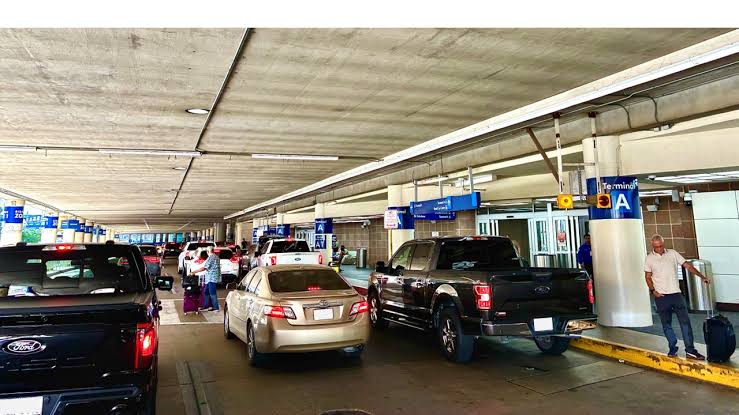
North American cities that show the ecosystem approach working include the City of Pittsburgh, Chicago and the City of Las Vegas, each running SenSen enforcement as part of a wider curb and parking intelligence effort rather than as an isolated device. In Chicago, one of the most demanding curb environments in the country, working with Chicago Parking Meters, the platform reads dense, high-turnover streets where payment and enforcement have to stay in step. In the City of Pittsburgh, enforcement operates as part of a connected program rather than a standalone tool. In the City of Las Vegas, continuous curb awareness supports a busy, event-driven downtown where demand shifts by the hour. In each case the value comes from the same principle: enforcement that shares what it sees, so the curb informs the systems around it instead of ending at the ticket.
FAQ
What is a parking enforcement ecosystem?
A parking enforcement ecosystem is the connected set of city systems, payment platforms, permit registers, asset and GIS records, and the enforcement layer over them, that together turn curb activity into shared, usable data. Instead of a standalone device that only prints notices, the enforcement layer becomes a sensor that feeds the rest of the city, so payment, permit, asset management and reporting teams all work from the same live curb picture.
How does SenFORCE fit into the city’s existing systems?
SenFORCE fits in as the mobile intelligence layer that reads the whole curb in a single patrol pass and then shares what it sees through open APIs. Vehicle-mounted cameras understand every rule on the curb as officers drive, and its patented Environmental Mapping Technology places each vehicle accurately even where GPS drifts in dense urban corridors. The enforcement events it produces flow into the city’s payment, permit and reporting systems rather than staying locked in the vehicle.
Can SenSen check real-time payment and permit status before a ticket is issued?
Yes. SenSen can check a plate against real-time payment sessions and against the permits held in the city’s own register before anything reaches an officer. A vehicle that has paid or holds a valid permit is not wrongly flagged, which means fewer disputed notices and officer time spent on genuine violations. This is only possible because the platform integrates with the systems the city already runs, rather than working in isolation.
Does SenSen replace our current parking payment or permit software?
No. SenSen does not replace your parking payment or permit software. It is designed to plug into whatever platforms you already use through open APIs, so those systems keep running and simply gain a live curb signal. Adding the enforcement layer avoids a rip-and-replace project: the curb starts feeding data into tools your teams already trust, and you extend the integration at your own pace.
How does curb data connect to asset management and city dashboards?
Curb data connects to asset management through SenMAP, which maintains a digital twin of curb assets such as signs, pay stations, zone markings and curb cuts, and to leadership through SenIQ, which surfaces the combined enforcement, occupancy and asset picture as decision-ready dashboards. Because detection, asset records and reporting share one platform and open interfaces, the same curb activity that drives enforcement also keeps the asset register current and gives decision-makers a live view without waiting on a separate reporting cycle.
A parking enforcement ecosystem is built on connection, not replacement, and that is how SenSen turns the curb into a shared source of intelligence for the whole city. Explore how vehicle-mounted enforcement reads every rule in a single pass on the curbside enforcement page, see how fixed cameras hold live curb awareness around the clock, and learn how the same platform keeps your city asset management records current. To see the full picture come together, visit the curb and parking intelligence hub.