Parking enforcement still puts officers in the most dangerous part of the job: standing in live traffic, leaning over a windscreen, explaining a ticket to a driver who does not want to hear it. Camera-based parking enforcement changes where the officer stands. The reading happens from a moving patrol vehicle or a fixed camera, and the officer makes the call from a desk instead of the roadside.
This is not about removing officers. It is about moving the risky, low-value moments off the street while keeping the judgement and the final decision with the person who answers for it. SenSen has spent more than 17 years across 60+ cities building enforcement that works this way.
Why is roadside parking enforcement the dangerous part of the job?
Because it puts a person on foot into moving traffic, next to drivers at their least patient. Officers step between parked and passing vehicles, read plates by hand, and hold the conversation that follows a ticket face to face. Most confrontations, near misses and abuse happen in those few minutes at the car window. The work that carries the most risk also carries the least judgement: reading a plate and checking a zone is not where an officer’s experience matters most.
How does camera-based enforcement keep officers out of harm’s way?
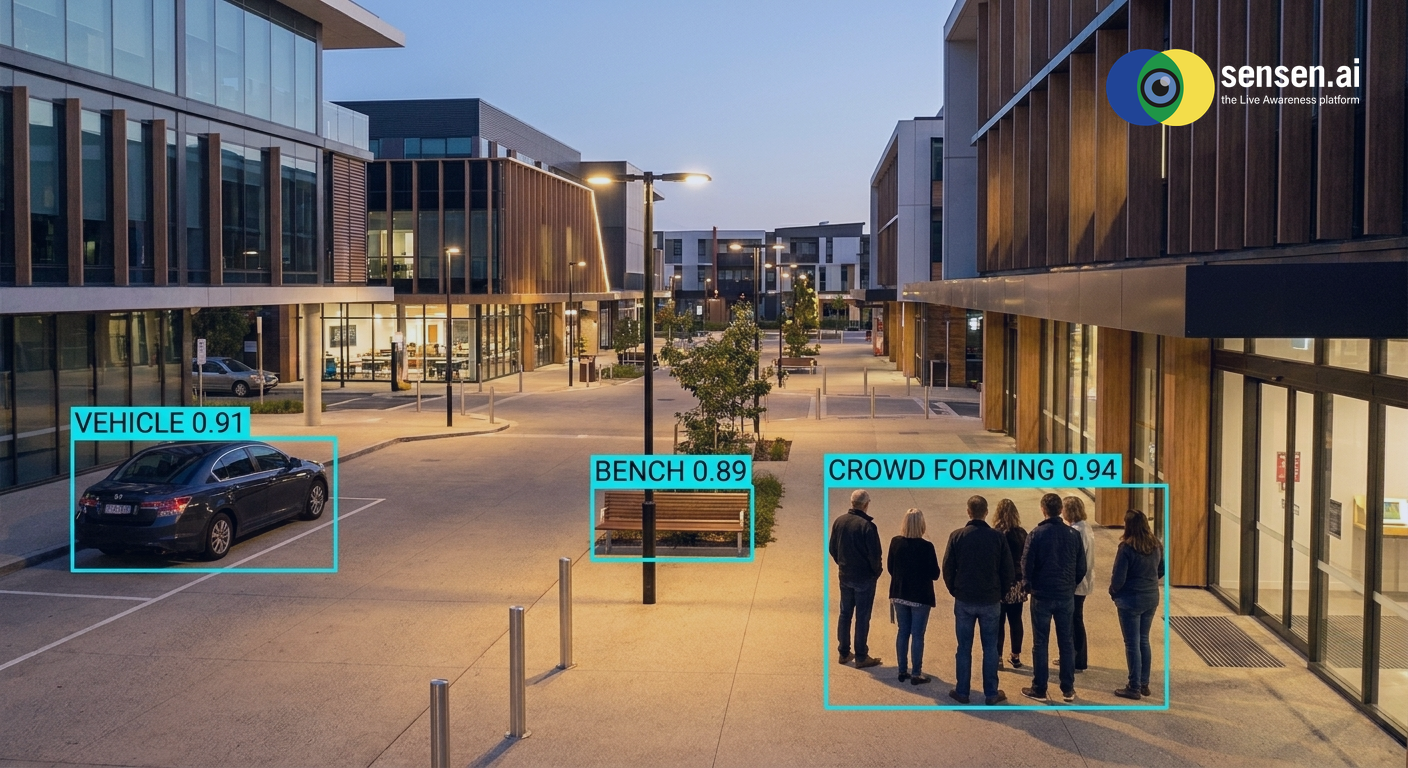
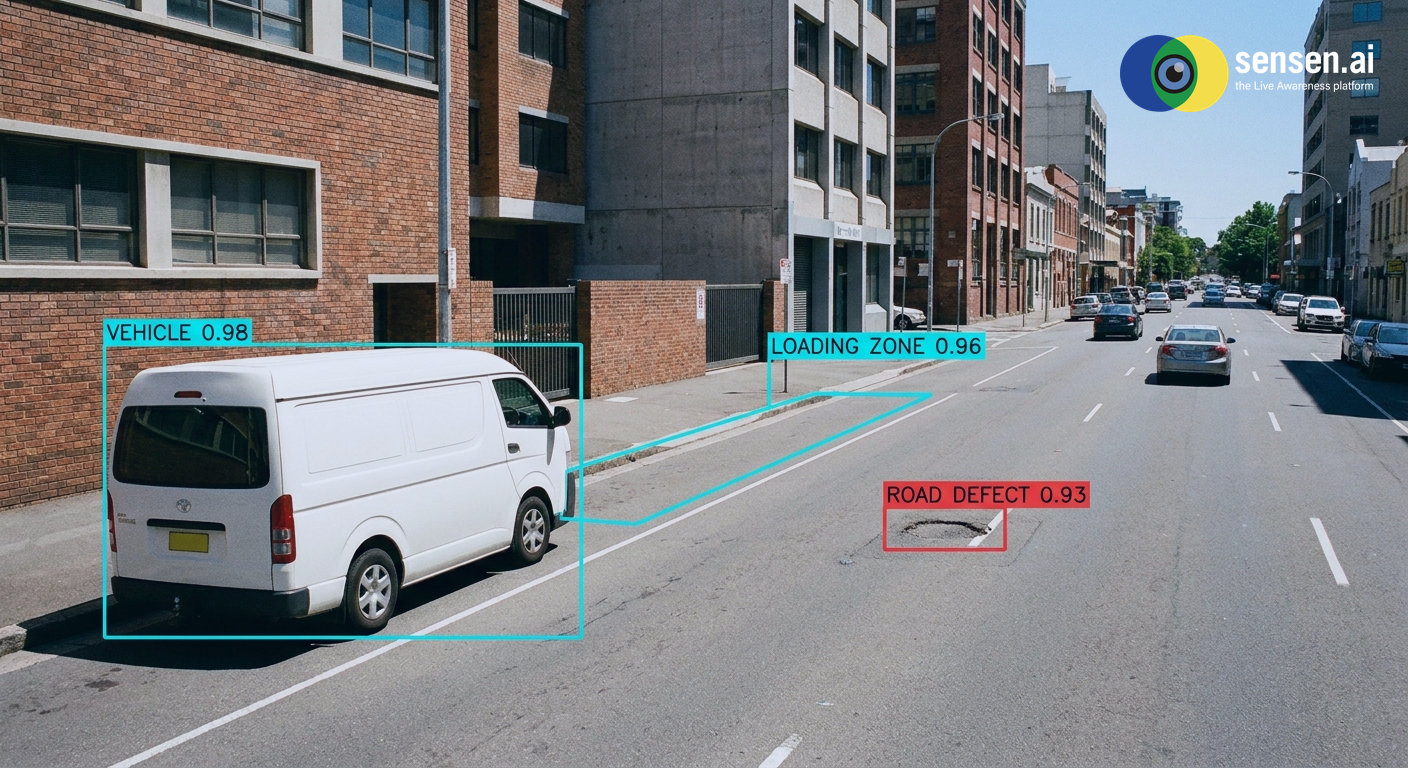
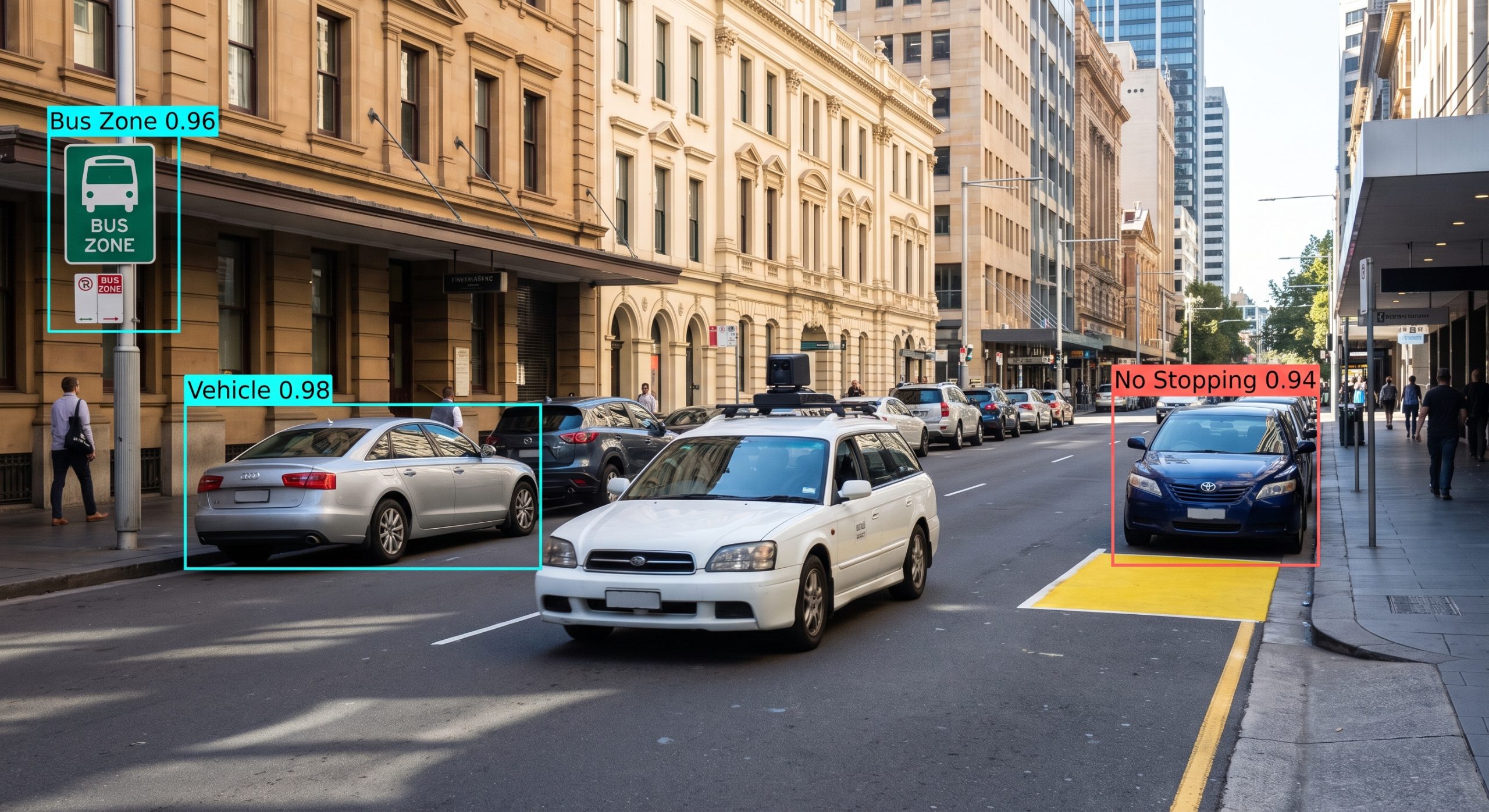
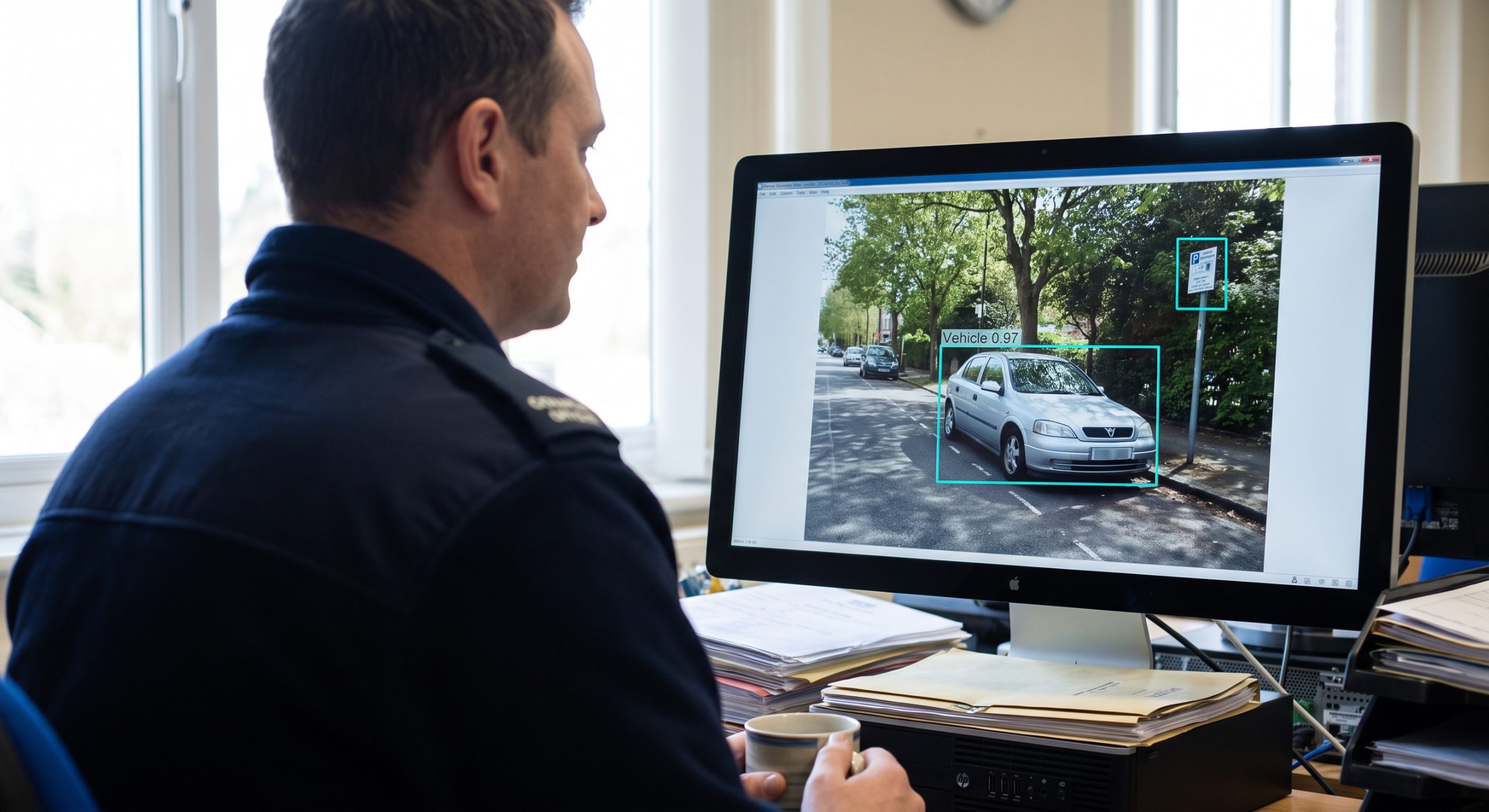
It moves the capture off the officer and onto the camera. A vehicle-mounted or pole camera reads plates, checks the zone and records the evidence while the officer stays in the vehicle or at a desk. Instead of walking a row of cars in traffic, one officer reviews what the system surfaced and decides what to act on. The dangerous minutes at the car window disappear, and coverage goes up rather than down.
The shift is simple to picture. A camera reads hundreds of plates an hour where a person on foot reads a few dozen, so one patrol covers far more ground with no one standing in traffic to do it.
Does taking officers off the kerb mean taking away their judgement?
No. The camera captures; the officer still decides. Every notice is reviewed by a person who can see the full context, apply discretion, and reject anything that does not hold up. Ticket-by-mail moves the paperwork off the street: the reading and the evidence are gathered in the field, and the decision and the notice happen in the back office.
The safety gain is real when the model is followed. The City of Adelaide has run its Park Safe camera program for more than four years with zero staff injuries, without giving up the officer’s role in the decision.
Can a council cover more ground without adding officers?
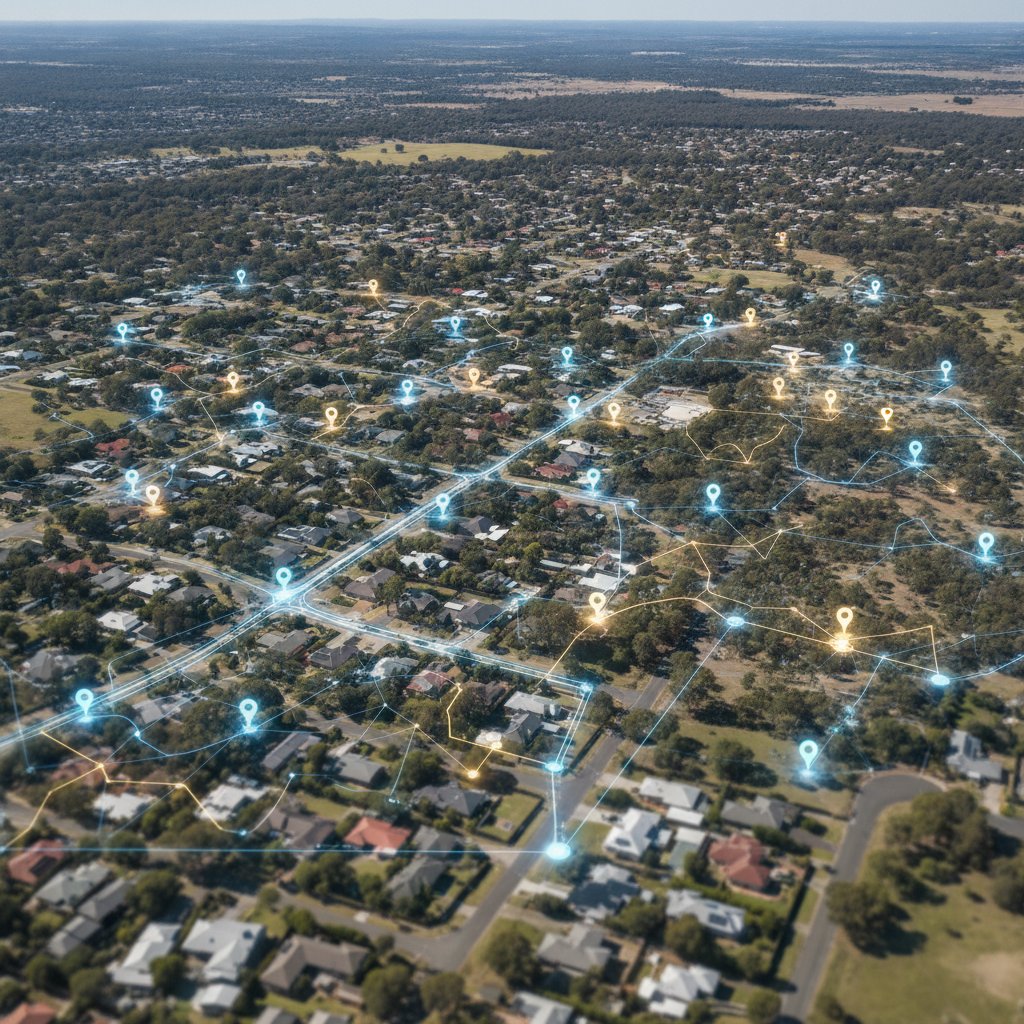
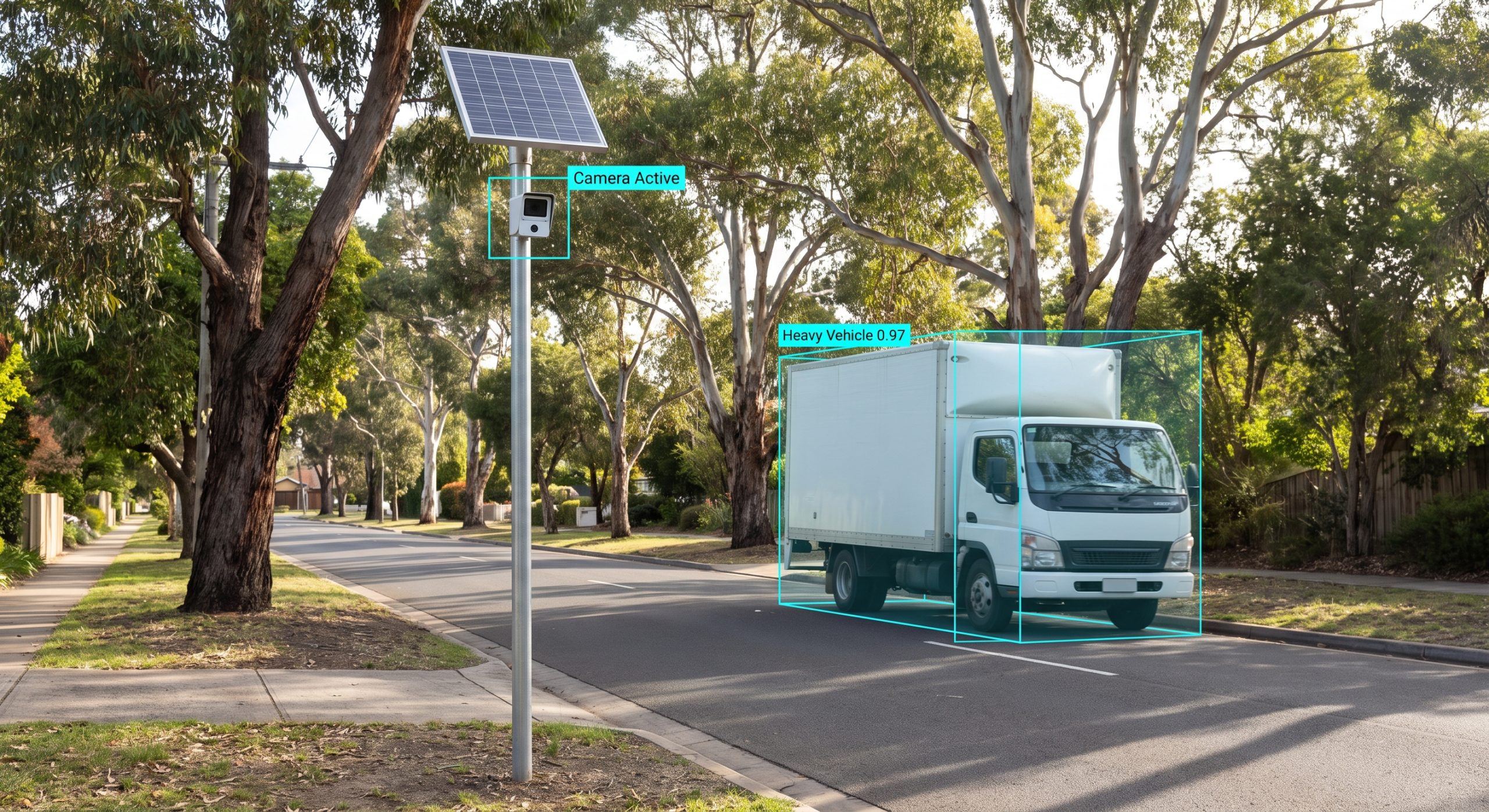
Yes, because the camera does the covering. A patrol vehicle enforces while it is already moving, and a solar pole camera watches a fixed trouble spot around the clock, so a council extends its reach without extending its roster.
The Hills Shire Council cut heavy-vehicle complaints on one route from 286 to 160 after moving from occasional patrols to continuous camera coverage, the same officers reaching far more of the network.
What happens when a driver disputes a camera-issued notice?
The evidence answers for itself. Each notice carries a time-stamped image of the vehicle, the plate and the zone, so a dispute is settled by the record rather than an officer’s word against a driver’s. Clear evidence at the point of issue is why camera-based notices are contested far less often than notices written at the roadside.
Where does a council start with camera-based enforcement?
With the streets that put officers most at risk, usually the busiest enforcement corridors and the fixed trouble spots. Start there, prove the safety and coverage gains, then extend the same cameras and the same back-office review to school zones, bus lanes and heavy-vehicle routes.
To see how camera-based parking enforcement keeps officers safe while keeping them in the decision, explore the SenSen platform or talk to our team about where your council could start.
Frequently asked questions
What is camera-based parking enforcement?
Camera-based parking enforcement uses vehicle-mounted or fixed cameras to read plates, check zones and capture evidence, so the reading happens without an officer on foot in traffic. The officer reviews the evidence and issues the notice from a workstation. SenSen provides this through SenFORCE and SenPIC.
Does camera-based enforcement replace parking officers?
No. It moves the dangerous, low-value roadside minutes off the street and keeps the judgement and the final decision with the officer, who reviews every notice before it is issued.
What is ticket-by-mail?
Ticket-by-mail issues the notice from the back office after an officer reviews camera-captured evidence, rather than at the vehicle. The reading happens in the field; the decision and the notice happen at a desk.
Is camera-based enforcement safer for officers?
Yes. It removes the roadside confrontation and the time spent standing in live traffic, which is where most near misses and abuse occur.
Are camera-issued notices harder to dispute?
They are contested less often, because each notice carries time-stamped image evidence of the vehicle, the plate and the zone.
Can the same cameras cover school zones and bus lanes?
Yes. The same vehicle-mounted and pole cameras enforce parking, school zones, bus lanes and heavy-vehicle routes, so coverage extends without new hardware for each use.
Does a council need more officers to run it?
No. A camera reads far more plates per hour than a person on foot, so existing officers cover more ground rather than the council adding headcount.
How accurate is the plate reading?
SenSen reads plates at 98% accuracy and above in the field, and every notice is still reviewed by an officer before it is issued, so accuracy is checked by a person, not left to the camera alone.