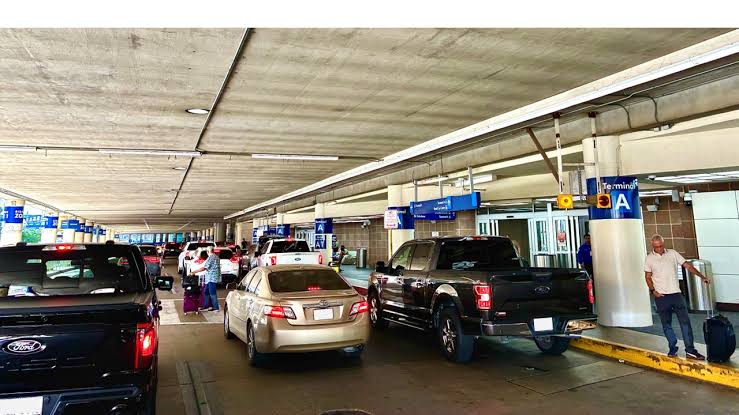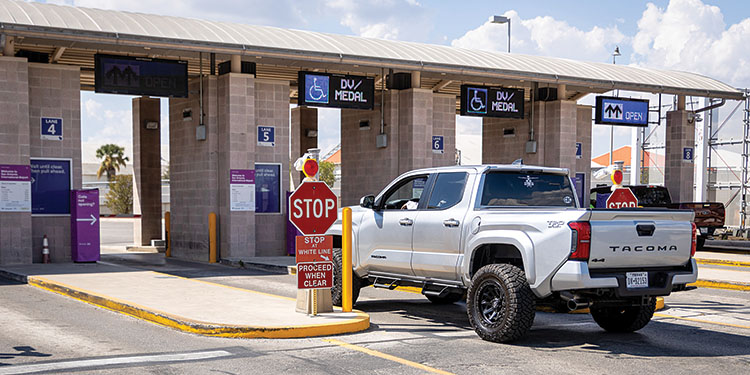
The curb is some of the most valuable public real estate a city owns. It connects people to schools, shops, hospitals, and transit in a strip of asphalt that is almost never idle. When that strip breaks down, when a delivery double-parks a travel lane, an expired meter holds a prime space all afternoon, a loading zone stays blocked, or an accessible bay is misused, the cost lands on residents: a parent who cannot reach the school gate, an ambulance that loses a minute, a small business whose customers cannot stop. This is the case for a smarter, fairer approach to parking enforcement: one that treats the curb as a managed public asset rather than a place to write tickets after the fact.
The problem is that legacy tools cannot keep pace with how the curb is used. Manual patrols cover a fraction of the network on any shift, and plate-only license plate recognition confirms a vehicle was somewhere without describing how the space around it is behaving. A better model is flexible and multi-modal: mobile, fixed, and handheld capture on one platform, backed by defensible multi-angle evidence, so a city is present across more of the curb and fair everywhere it acts. That is what SenSen’s curb and parking intelligence platform, delivered through SenFORCE, is built to do.
Why is the curb so hard to manage today?
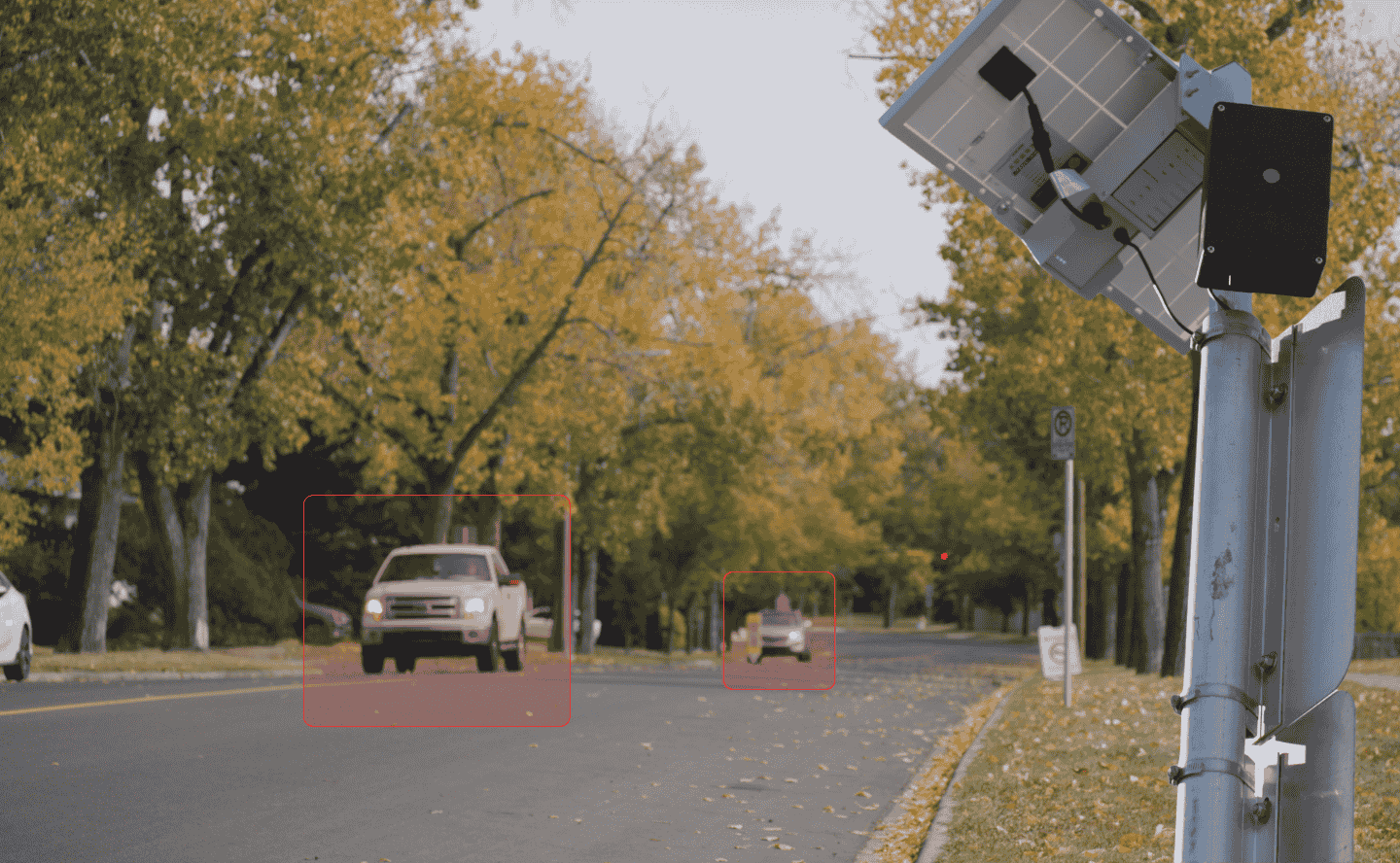
The curb is hard to manage because demand for it has multiplied while the tools to oversee it have not. A single block now serves rideshare pickups, delivery vans, contractors, buses, accessible parking, and ordinary drivers, all competing for the same few meters of space. Every use has its own rules and peak hours, and when they collide the result is congestion, blocked access, and safety risk no static map of the curb can anticipate.
Traditional parking enforcement was designed for a slower curb. An officer walks or drives a beat, checks what they can reach, and writes what they see. That model is honest work, but it covers only a sliver of the network at any moment and leaves the rest unobserved. Cities are not short on rules for the curb. They are short on visibility into whether those rules are holding, and where they are quietly failing.
What does a flexible approach to parking enforcement actually mean?
A flexible approach to parking enforcement means running one platform across several capture modes, so a city can match the tool to the block instead of forcing every street into the same method. Some corridors are best covered by a vehicle sweeping the curb on its normal route. Some priority blocks need a fixed camera watching continuously. Some situations call for an officer on foot with a handheld. The point is that these are not three separate systems to procure, integrate, and reconcile. They are one system, working in the mode each location needs.
SenFORCE delivers exactly this range. Vehicle-mounted capture reads the whole curb on a single pass, so a patrol or another municipal vehicle covers far more ground than an officer on foot. SenPIC adds fixed AI cameras for continuous awareness on the busiest blocks, the ones that cannot wait for a patrol to come around. Handheld capture keeps officers effective where a person on the sidewalk is the right answer. Because it all runs on the SenDISA AI engine, the evidence and data come back in one consistent form, whatever mode produced them, which turns a set of tools into a managed program.
How does multi-modal capture make enforcement fairer?
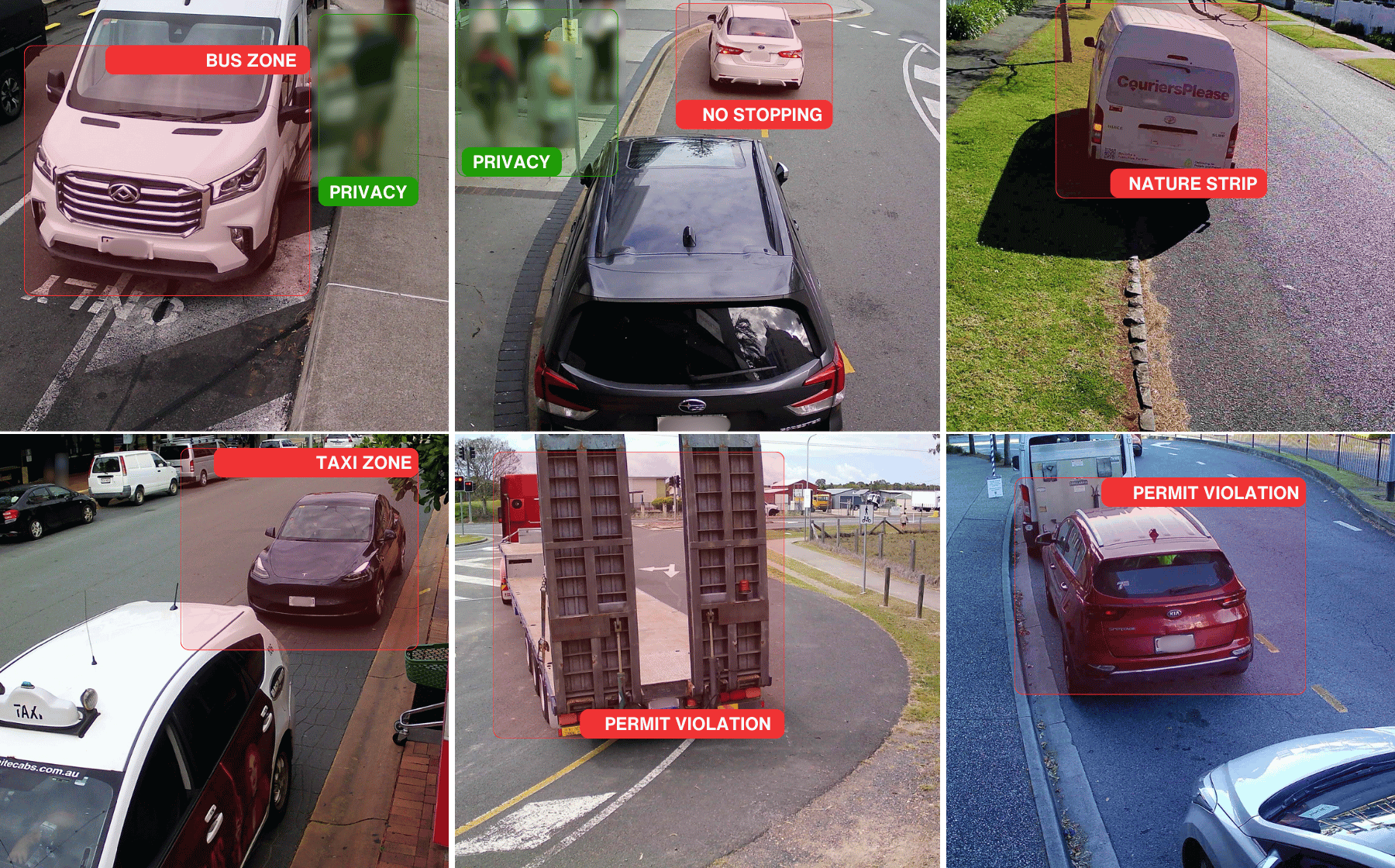
Multi-modal capture makes parking enforcement fairer because every notice rests on defensible, multi-angle evidence rather than a single roadside judgment call. When a violation is detected, the platform records the vehicle, its position against the curb, the rule that applied at that spot and time, and the imagery that proves the case. A resident who disputes a ticket is not arguing against one officer’s word. They are looking at a documented record, which is what fair process requires.
Fairness also comes from consistency. Two officers can read the same ambiguous situation differently, and the same officer can read it differently at the end of a long shift. A platform applies the same standard to every block, every hour, so the curb is enforced evenly rather than by whoever happened to pass. This is not softer enforcement, but enforcement a city can stand behind.
Can one platform really cover mobile, fixed, and handheld enforcement?
Yes, and consolidating those modes onto one platform is the difference between managing the curb and merely policing pieces of it. When mobile, fixed, and handheld capture feed a single system, the notice written by a patrol vehicle, the event seen by a fixed camera, and the check logged by an officer on foot all land in the same place, in the same defensible format, ready for the same cloud ticketing workflow.
This matters at city scale, where the alternative is a patchwork of vendors and systems to reconcile. One platform removes that overhead: it scales from a single corridor to a whole downtown on one stack, so adding coverage means adding capture, not another procurement. The curb becomes one asset with one management layer, which is what it should have been all along.
What does a city see once the curb is readable?
Once enforcement also senses, the curb stops being a blind spot and becomes a live dataset the city can read. The same pass that produces a defensible notice also records occupancy, dwell, and turnover, so a city sees how each block is actually behaving rather than guessing from complaints. That is the quiet payoff of a flexible approach: coverage across more of the curb means data across more of the curb.
These are questions cities have always struggled to answer with confidence. Is this loading zone blocked every weekday at 8am? Does this block turn over a dozen times a day while the next never clears? Did a rate change move behavior on one corridor and not another? With occupancy and turnover visibility, those become matters of evidence, not anecdote. Compliance becomes a scoreboard the city can watch, and the goal shifts from writing more tickets to managing a scarce public asset well. Enforcement becomes a source of intelligence about the street, not only a penalty.
Does smarter parking enforcement mean replacing officers?
No. Enforcement on this platform is AI-powered and human-led: the system detects and evidences, and a person makes the decision. SenSen automates the repetitive part of the job, spotting the violation and building the evidence file, so the people who run the curb spend their time on judgment and community work instead of paperwork and roadside confrontation. The officer is not removed from the process. They are moved up it, to the calls that need a human.
This is the empowerment case, and it is central to a fairer approach. Roadside stops carry friction and risk, and a plate-only workflow still leans on people to chase and defend each notice. By capturing evidence-grade records automatically and keeping the decision with a person, SenFORCE takes the confrontation out of routine parking enforcement while keeping accountability with the city. Officers stay essential. The mechanical load moves to the platform, and the judgment stays where it belongs.
How do cities move to a flexible enforcement model?
Cities move to a flexible model by adding context to the operation they already run, not by ripping it out. The vehicles a city already drives can start returning a richer record of the curb on routes they already cover, and fixed cameras go up on the blocks that need constant eyes. It is an upgrade to the existing program, layered on in the mode each location needs, not a rip-and-replace project that stalls in procurement.
The pattern is visible in how North American cities have approached it. The City of Pittsburgh built ticket-by-mail on evidence-grade capture, enforcing the whole curb while keeping officers out of roadside confrontation. Chicago, working with Chicago Parking Meters, runs mobile enforcement at city scale on the same platform. The City of Las Vegas uses continuous curb awareness to watch its busiest blocks. Different starting points, one approach: keep the fleet and the officers, add flexible multi-modal capture, and let the curb become a managed, visible asset instead of a blind spot policed in fragments.
FAQ
What is parking enforcement?
Parking enforcement is how a city applies and upholds its curb and parking rules, from expired meters and overstays to blocked loading zones and misused accessible bays, so shared space stays available and safe. The traditional model relies on officers checking what they can reach on a beat. A flexible, technology-led approach uses mobile, fixed, and handheld capture on one platform to cover more of the curb and evidence each action, with the decision kept with a person.
What is SenFORCE?
SenFORCE is SenSen’s AI enforcement platform for the curb. It runs mobile (vehicle-mounted and pole), fixed, and handheld capture from one system, reading the whole curb on a single pass and producing defensible multi-angle evidence for each violation. It uses a patented pre-built visual model to recognize the streetscape and the rule in force, and it feeds cloud ticketing so cities can operate at scale. Enforcement stays human-led throughout.
Does automated parking enforcement replace parking officers?
No. The platform detects and evidences curb events automatically, but enforcement is human-led: a person reviews the record and makes the decision. Automating the repetitive capture takes the mechanical load off officers, so their time moves to judgment calls and community work. It also takes routine confrontation off the roadside, which is safer for officers and the public alike.
How does multi-angle evidence make enforcement more defensible?
Multi-angle evidence documents each violation from more than one perspective, recording the vehicle, its position against the curb, the applicable rule, and the imagery that proves the case. That turns a notice from one person’s roadside judgment into a documented record, which stands up in disputes and appeals. It is the core of fair and defensible enforcement: consistent standards applied evenly, with proof behind every action.
Can a flexible enforcement platform work with a city’s existing vehicles?
Yes. SenFORCE mounts on vehicles a city already runs, so an enforcement patrol or another municipal vehicle can cover the curb on routes it already drives. Cities can add fixed cameras such as SenPIC for continuous awareness on priority blocks, and keep handheld capture for situations that call for an officer on foot, all on one platform without replacing the existing operation.
SenSen works with cities across North America on curb and parking intelligence: flexible, multi-modal enforcement that also senses, so the curb becomes a managed public asset. See how curbside enforcement works, explore live curb awareness, or start at the Curb and Parking Intelligence hub.