Heavy vehicle compliance means keeping large trucks on the routes, within the mass limits, and inside the operating hours they are cleared for, and evidencing the movements that fall outside those rules. It matters most where it is hardest to see: on local streets and residential roads never engineered for a fully loaded prime mover. AI vision changes what is possible here. Cameras, fixed on a pole or mounted on a vehicle, recognise a vehicle class, read a number plate, and flag a movement that does not belong, continuously and across a whole network rather than at one manned checkpoint.
The freight task on Australian roads is large and still growing, and most of that freight moves the last part of its journey through the streets people live and walk on. That is the tension: heavy vehicles are essential to the economy, yet the roads, bridges and tunnels they pass through carry a cost when the wrong vehicle uses the wrong route. This article sets out how data-led heavy vehicle compliance gives councils and road authorities continuous visibility of what is moving, so decisions rest on evidence and an authorised officer rather than chance.
Why is heavy vehicle compliance so hard on local roads?
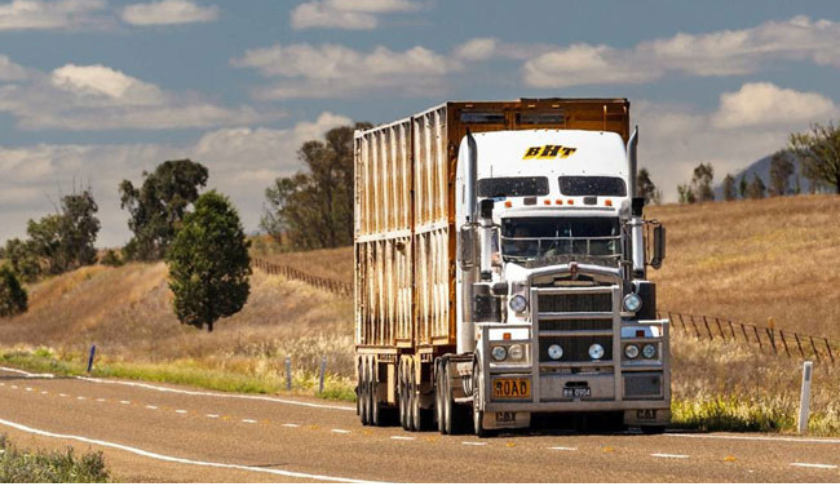
The difficulty is that the network is large and the vehicles that cause the most harm are a small fraction of the traffic moving through it. A heavy vehicle on a road built for cars is often perfectly legal a suburb away and a breach here, and the difference comes down to the route, the time of day and the mass on the axles. Councils cannot post an officer on every restricted street, so much of what happens goes unseen, and residents tend to notice a truck that should not be there long before an enforcement team can, by which time the movement is over.
Local streets also concentrate the consequences, absorbing the noise, vibration and near misses that a designated freight corridor is built to handle, so a shortcut through a suburb or an ignored curfew lands hardest on the people least equipped to absorb it. The task, then, is not to watch every truck. It is to see the movements that break the rules for that place and that time, reliably enough to act on them.
What damage do non-compliant heavy vehicles do to roads and infrastructure?
Road wear is not linear with weight. A single overloaded or oversized vehicle on an unsuitable road does far more damage than its share of the traffic count suggests: pavements crack earlier, bridge and culvert structures fatigue faster, and tunnels and narrow underpasses take strikes they were never sized for. Every one of those outcomes accumulates on the assets a council can least afford to lose and turns into an unplanned maintenance bill that competes with the rest of its programme.
There is a congestion cost as well. A large vehicle on a road too narrow for it slows everyone behind it and can bring a local street to a standstill. The safety cost is the sharpest of the three: mixing a heavy vehicle with pedestrians, cyclists and parked cars on a street never meant to carry it raises the risk of a serious incident. Data-led heavy vehicle compliance addresses all three at once, because the same visibility that protects a bridge from the wrong load also keeps that load off the street where it does not belong.
How does AI monitoring give councils continuous visibility?
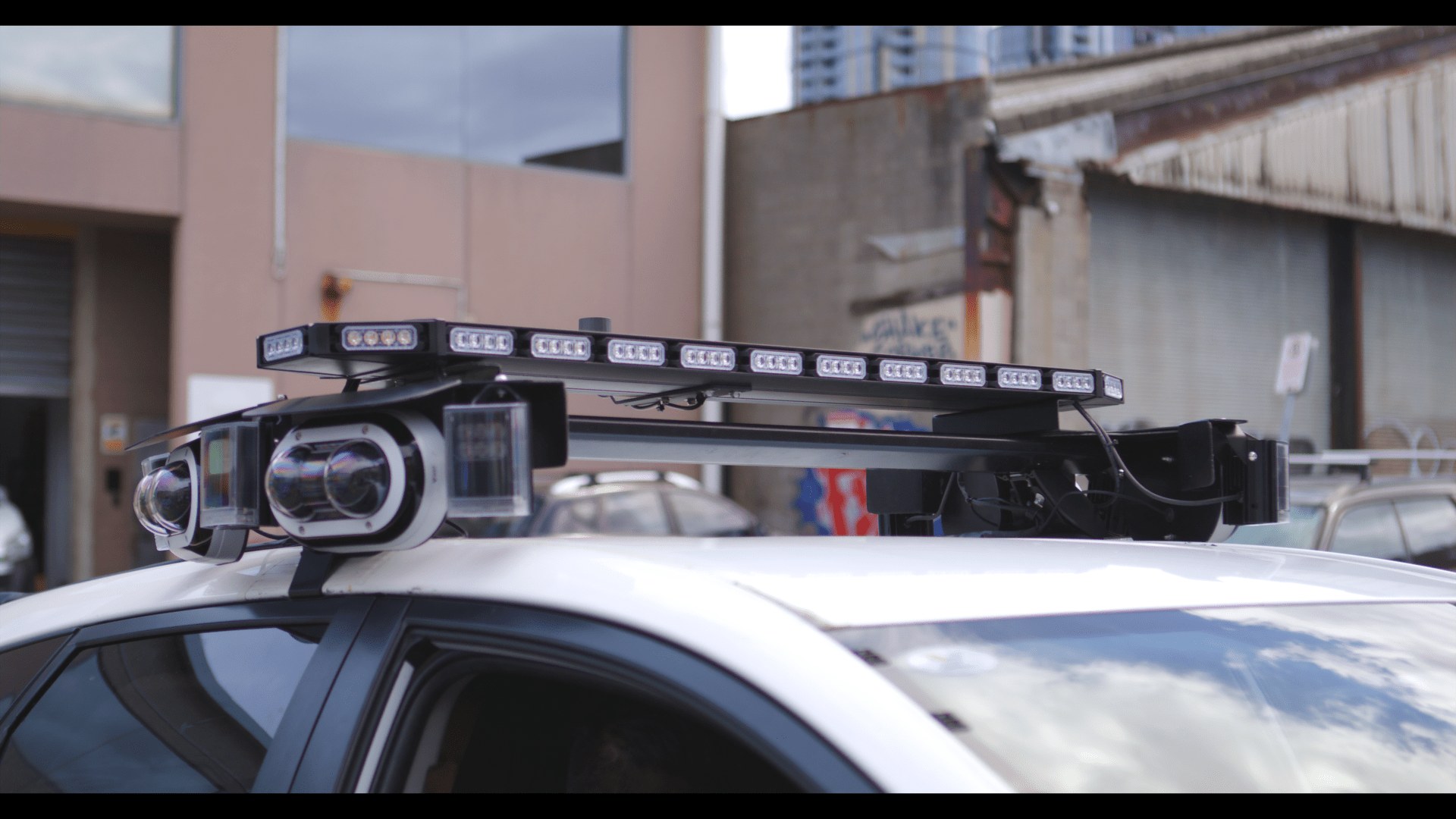
AI vision turns a camera into a sensor that understands what it is looking at. Rather than simply recording footage for someone to review later, the system detects a vehicle, classifies it by type, distinguishes a heavy vehicle from a passenger car, and reads the number plate, all in the moment the vehicle passes. Fixed cameras hold the locations that matter around the clock, while vehicle-mounted cameras extend that reach across the network as a patrol moves, so coverage is not tied to where a pole happens to be.
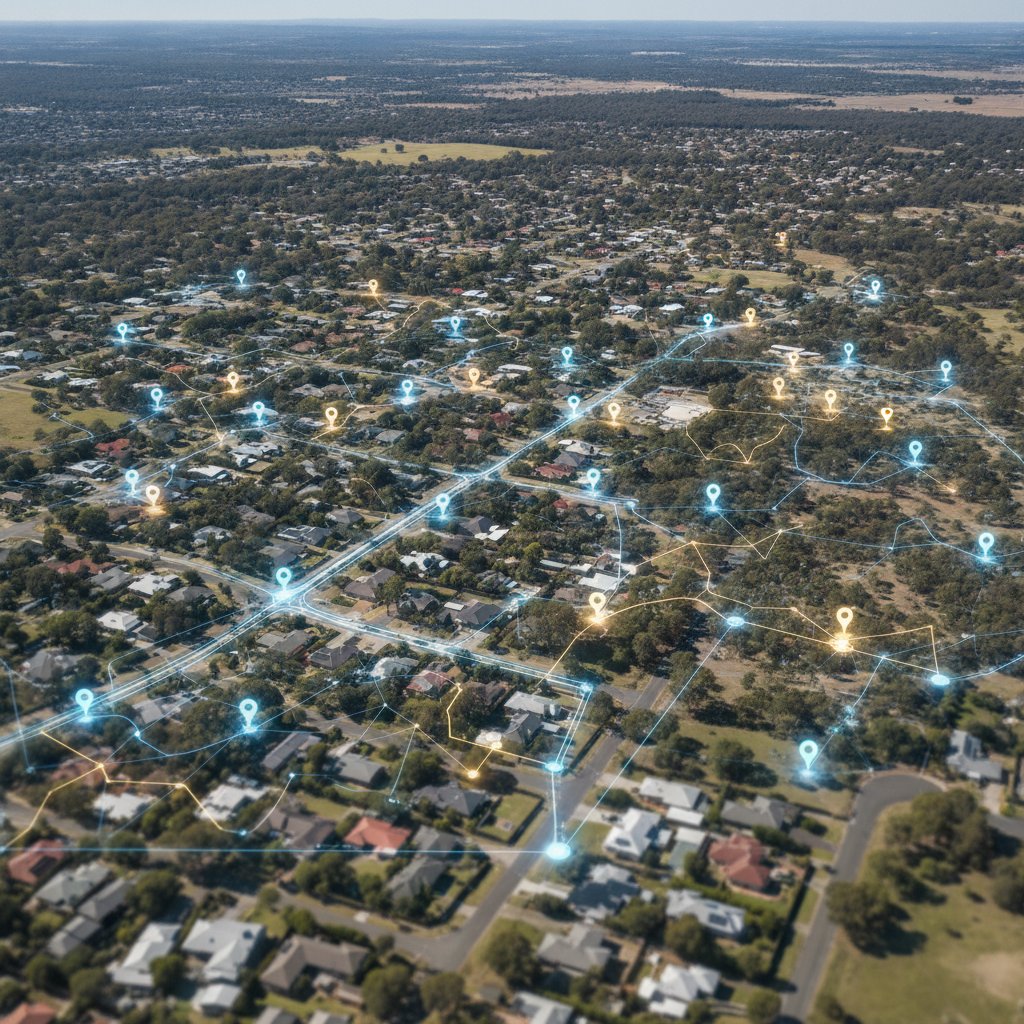
What this produces is a continuous, structured picture of heavy vehicle activity: which class of vehicle, on which road, at what time. That picture lets a council see whether a restriction is working, where breaches cluster, and how movements shift once a rule changes or a camera goes live, visibility that was simply not available when compliance depended on an officer being in the right place at the right moment. SenSen builds this living data layer for councils and road authorities, so the question moves from whether anyone saw a movement to what the pattern reveals.
How does the platform evidence a breach without replacing the officer?
Detection is AI-powered, and the decision is human-led. When the system flags a movement that appears to breach a route, mass or curfew rule, it does not issue anything on its own. It assembles a complete, timestamped record of the event: the vehicle in context, its class, the plate, the location and the rule that applies to that stretch of road at that time. That record then goes to an authorised officer, who reviews it and decides what, if anything, happens next.
This is the part that matters most in a regulatory setting. The AI does the watching and the evidencing at a scale no team could match, and handles the repetitive, error-prone work of matching a movement against the rules, while the judgement stays with the people the community and the law hold accountable. Officers are freed to spend their time on the decisions that need a human, so the approach supports enforcement teams and road authorities rather than displacing them, and every action a council takes is backed by evidence it can stand behind.
What does data-led heavy vehicle compliance mean for enforcement of route, mass and curfew rules?
Most heavy vehicle rules are conditional: a route is restricted to certain classes, a mass limit applies to a bridge, and a curfew closes a street to heavy traffic during set hours. Enforcing rules like these by eye is difficult, because an officer has to know the rule for that exact location and time and catch the vehicle in the act. AI monitoring measures each movement against the rule that actually applies where the vehicle is, automatically, and only flags the ones that fall outside it.
That precision is what makes the approach fair as well as effective. A vehicle cleared for a road is never flagged for using it, and a curfew breach is only raised during the hours the curfew is in force. Over time the same data shows a council which restrictions are holding and which are being routinely ignored, turning enforcement from a series of one-off stops into a picture it can manage. Compliance itself becomes the measure of success, not the number of notices issued, and quieter, safer roads are the outcome the community feels.
How does heavy vehicle compliance connect to a council’s wider road and asset data?
Heavy vehicle movements do not sit in isolation. The roads those vehicles use are the same assets a council inspects, maintains and plans around, so knowing which class of vehicle uses a road, and how often, tells an asset team where wear will show up next and helps them time maintenance before a small defect becomes an expensive one. Movement data and condition data describe the same network from two angles, which is why heavy vehicle compliance belongs inside a broader city intelligence approach rather than beside it. The AI vision layer that flags a breach on a restricted route is the same kind of layer that reads road condition and maps assets, so a council that treats these as one data foundation gets a compounding return: every camera and every patrol adds to a single, growing picture that every part of the organisation can draw on.
FAQ
What is heavy vehicle compliance?
Heavy vehicle compliance is the practice of ensuring large vehicles, such as trucks and prime movers, operate within the route, mass and time restrictions set for the roads they use, and of evidencing the movements that breach those rules. It protects roads, bridges and tunnels from damage they were not built to take, reduces congestion caused by heavy vehicles on unsuitable streets, and lowers the safety risk of mixing large vehicles with residents. AI vision supports this by detecting and classifying vehicles, reading plates and flagging non-compliant movements for an authorised officer to review.
How does SenSen detect a non-compliant heavy vehicle?
SenSen uses AI vision to recognise a vehicle’s type and class from a camera, fixed on a pole or mounted on a patrol vehicle. As the vehicle passes, it distinguishes a heavy vehicle from a passenger car, reads the number plate, and measures the movement against the route, mass or curfew rule for that location and time. Anything falling outside the rule is captured as a complete, timestamped evidence record and passed to an officer, rather than actioned automatically.
Does AI enforcement replace council officers?
No. The model is human-led by design. The AI does the continuous watching, classification and evidencing at a scale a team cannot match, but it does not make enforcement decisions. Every flagged movement is reviewed by an authorised officer who decides what happens next. The purpose is to free officers from repetitive manual work and give them a defensible evidence base, so the same team can cover far more of the network and focus on the judgements that need a person.
Can heavy vehicle monitoring cover a whole road network, not just one site?
Yes. Fixed cameras hold the specific locations that need constant watch, such as a restricted bridge or a residential street with a known problem, while vehicle-mounted cameras extend coverage across the wider network as patrols move. Together they give a council continuous visibility of heavy vehicle activity, which class of vehicle, on which road, at what time, rather than a snapshot from a single manned checkpoint.
How does heavy vehicle data help protect roads and infrastructure?
Because road wear rises sharply with vehicle weight, knowing which classes of vehicle use a road, and how often, tells a council where damage is most likely to accumulate. That evidence helps target maintenance before a minor defect becomes a costly repair, and when it joins a council’s road condition and asset information, heavy vehicle compliance becomes part of a single picture that both enforcement and asset teams can act on.
SenSen helps councils and road authorities turn AI vision into a living data layer for the whole street network. Explore how continuous, human-led enforcement works in practice on our curbside enforcement page, see how the same foundation supports every department across the SenSen platform, and read how movement and condition data come together in city asset management.