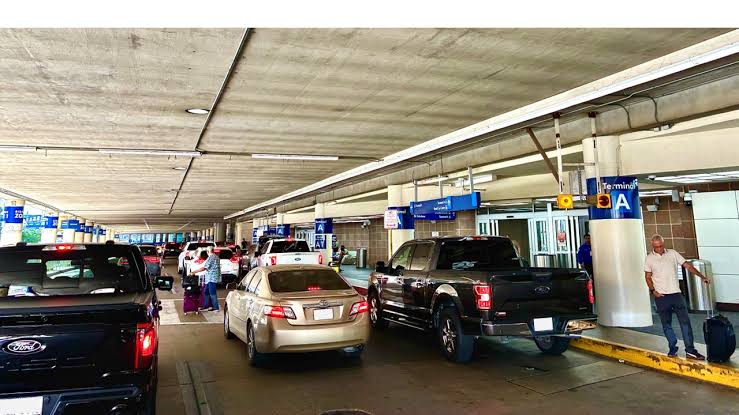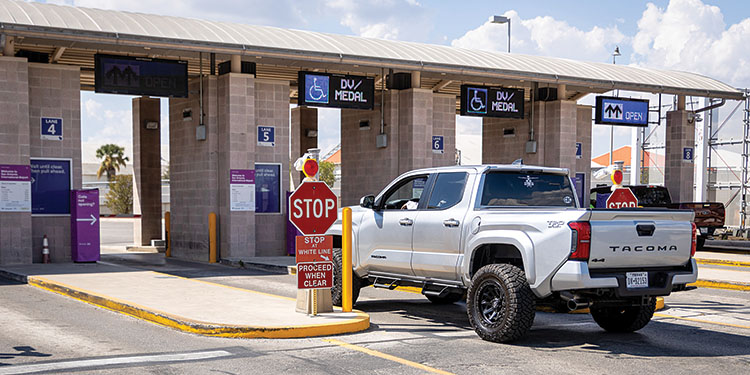

School zone safety is not a parking problem, and treating it like one is where most enforcement programs go wrong. For a few minutes at drop-off and pick-up, a quiet street fills with children, distracted drivers, and double-parked cars, and the stakes are a child crossing the road. This article explains how multi-modal AI enforcement helps cities protect school zones with consistent, evidence-backed coverage at the exact moments that matter. The short answer: pair mobile patrol with fixed cameras that watch the crossing continuously without an officer standing in the middle of it, keep every decision human-led, and the school zone finally gets the steady, fair protection a manual roster can rarely sustain.
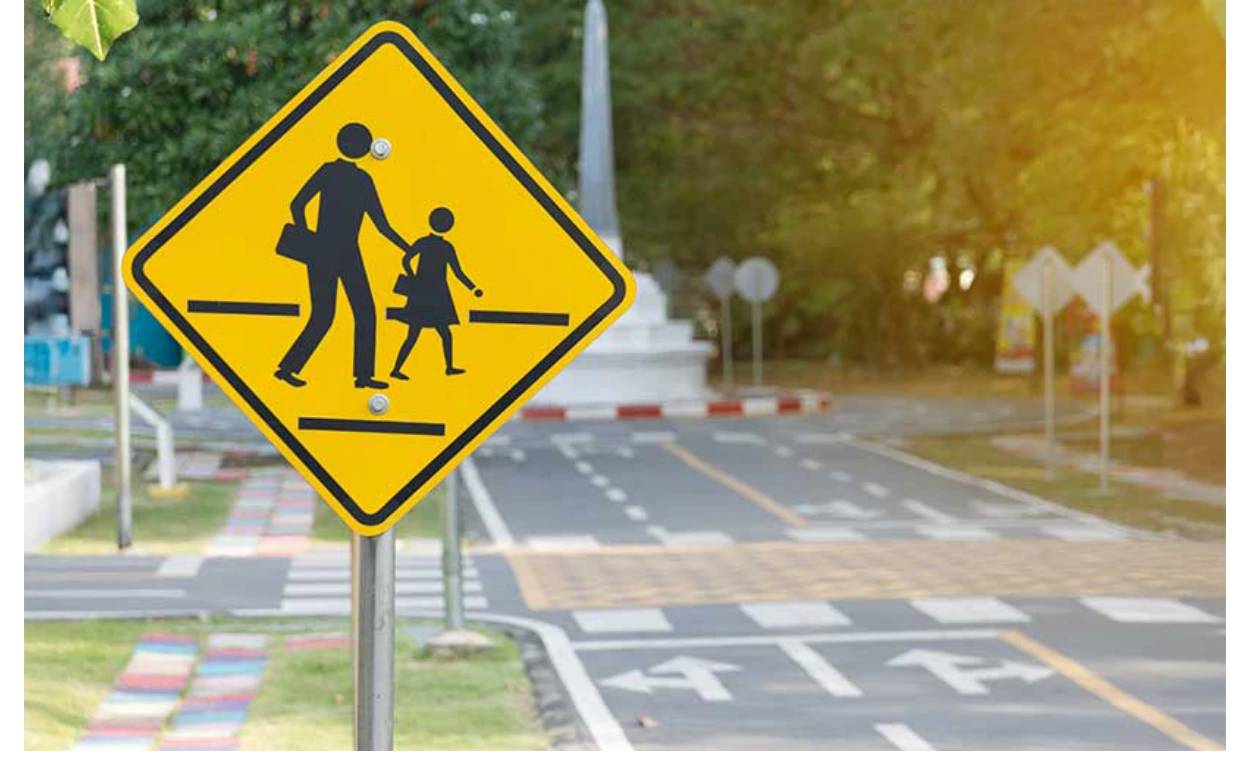
What makes school zones so hard to keep safe?
School zones are hard to keep safe because the risk is concentrated into short, predictable windows and driven by ordinary behavior rather than obvious offenders. The danger is not a speeding stranger at midnight. It is a familiar parent, running late, stopping on a crosswalk or in a no-stopping zone for thirty seconds because everyone else is doing it. Multiply that across a few hundred families and two short windows a day, and a calm residential street becomes one of the most conflict-prone traffic environments a city manages. Two things make it stubborn. The risk is invisible most of the day, so a zone can look orderly at 11am and be chaotic at 8:40am. And the people creating it are the same people the city most wants to keep onside: local families, not repeat violators. So school zone protection has to be present at exactly the right minutes, and fair enough that the community trusts it. Neither is easy to deliver with people and vehicles alone.
Why does manual and patrol-based enforcement struggle here?
Manual and patrol-based enforcement struggles in school zones because a patrol cannot be in every zone at the same narrow moment. A city can have dozens of schools and a handful of officers, and the peak windows overlap, so coverage becomes a rotation: this school on Tuesday, that one on Thursday, and drivers quickly learn the pattern. Compliance that depends on whether a marked vehicle happened to show up is not deterrence; it is a lottery.
There is also a real safety cost to the officers themselves. Standing in a crowded drop-off zone or approaching a parent mid-stop invites friction at an emotionally charged moment: someone is late, a child is upset, the road is full. Roadside confrontation in that setting is stressful and sometimes unsafe, and it consumes the officer’s attention on one interaction while the rest of the zone goes unwatched. Each manual stop pulls a person out of a supervisory role and into a dispute, right where children are moving.
What is multi-modal AI enforcement for school zones?
Multi-modal AI enforcement for school zones means using more than one type of camera together, mobile and fixed, so a zone can be covered by a patrol pass, by a permanently installed camera, or by both, with AI doing the detection and evidence work while a person makes the decision. A city is not choosing between a patrol vehicle and a fixed camera. It is combining them so that coverage no longer depends on any single officer being in any single place.
In practice, a vehicle-mounted system on a patrol route covers a spread of zones on a pass, capturing violations against the rule in force at each crossing. A fixed camera watches a priority school continuously through both windows, every day, whether or not a patrol comes by. The AI recognizes the vehicle, its position against the curb or crossing, and the rule that applies, then assembles a defensible record. What it does not do is issue anything on its own. The system detects and evidences; a person reviews and decides. That human-led step is what keeps the program accountable and fair.
How does fixed 24/7 monitoring protect a crossing without an officer present?
Fixed monitoring protects a crossing without an officer present by keeping a permanently installed, always-on camera trained on the exact spot that matters, so the busiest school zones are watched continuously through every drop-off and pick-up rather than only when a patrol happens to pass. This is the piece manual enforcement can never match. An officer cannot stand at one crossing for two hours twice a day, five days a week, at every school. A fixed camera can, and it does it without putting a person into the middle of the traffic it is watching.
SenSen’s SenPIC fixed cameras are built for exactly this: continuous, always-on awareness of a curb or zone with no officer required on site. At a school crossing, the no-stopping zone, the crosswalk, and the immediate approach stay under consistent watch through the entire peak window. A vehicle that stops on the crossing at 8:37am is recorded the same way every day. That is what removes the lottery: drivers stop calibrating their behavior to whether a marked car is visible, because the coverage no longer comes and goes. And because the camera does the watching, the officer who would otherwise be exposed in the crowd is freed to focus on presence, movement, and judgment where a human genuinely helps.
Does automated enforcement replace school zone officers?
No. Automated enforcement does not replace school zone officers. It removes the parts of the job that put them at risk and stretch them too thin, so their time goes to presence and judgment instead of paperwork and roadside disputes. The AI is very good at watching one crossing consistently and capturing a clean, rule-specific record. It is not good at reassuring an anxious child, reading an unusual situation, or deciding that a case deserves discretion. Under a multi-modal approach the mechanical load shifts to the system, so the officer is no longer tied to one drop-off zone managing one interaction at a time. That person can move between schools, be visibly present where families see them, and step in on the situations that genuinely need a human. Every enforcement decision still runs through a person. The result is not fewer officers doing less; it is the same officers doing the parts of school zone safety that only people can do, with the repetitive exposure taken off their plate.
How does consistent, evidence-based coverage build community trust?
Consistent, evidence-based coverage builds community trust because it is fair in a way rotating patrol cannot be: the same rule is applied the same way to everyone, every day, and each case comes with the imagery to explain itself. Parents accept enforcement in a school zone far more readily when it is clearly about child safety and clearly not arbitrary. The fastest way to lose that goodwill is inconsistency, one family stopped on Tuesday for the exact thing another family did unnoticed on Wednesday. Perceived unfairness turns a safety measure into a grievance.
Two properties make it fair in practice. A fixed camera treats the 8:37am stop identically whether the driver is a stranger or the mayor, which removes the sense that enforcement is a matter of luck or targeting. And every recorded event carries the visual record of what happened, where, and under which rule, so a disputed notice is answered with a clip rather than an officer’s word against a parent’s. That defensibility resolves disputes quickly, and it changes behavior, because drivers who know a zone is consistently and demonstrably watched stop treating the crossing as a place to pause. Deterrence that rests on steady, provable presence is what makes a school zone genuinely safer, not just more heavily ticketed.
What does a real citywide deployment look like?
A real citywide deployment looks like coverage that no longer depends on which schools a patrol reached that morning. The City of Kitchener (Ontario) runs SenSen for citywide school-zone safety, applying consistent AI-supported enforcement across its zones so that protection is even rather than concentrated on whichever crossing an officer happened to visit. That evenness is the point: a program that covers the network the same way everywhere is one the whole community can trust, because no school is quietly deprioritized.
The same multi-modal foundation carries beyond school zones, so cities can adopt it without building a single-purpose system. The City of Pittsburgh uses evidence-grade capture to enforce the curb while keeping officers out of roadside confrontation, and the City of Las Vegas uses continuous fixed-camera awareness to watch its busiest blocks. Different priorities, one pattern: keep the people and vehicles already in service, add mobile and fixed coverage that watches consistently, and keep every decision human-led. For school zones, that pattern delivers the one thing a manual roster rarely can, steady protection at the exact minutes children are most exposed.
FAQ
What is school zone safety enforcement?
School zone safety enforcement keeps drop-off and pick-up areas around schools safe by detecting and addressing unsafe driver behavior, such as stopping on crossings, parking in no-stopping zones, or double-parking during peak windows. A multi-modal AI approach combines mobile patrol and fixed cameras to cover zones consistently, while a person reviews each case and decides. The goal is child safety and steady deterrence, not simply issuing more notices.
What is multi-modal enforcement?
Multi-modal enforcement uses more than one type of capture together, typically vehicle-mounted cameras on patrol routes and fixed cameras at priority locations, so coverage does not depend on any single officer or vehicle being in one place. In a school zone, a patrol pass and a permanent camera cover the same network, giving breadth across many schools and continuous depth at the busiest crossings.
Does SenPIC need an officer on site at the crossing?
No. SenPIC is a fixed, always-on camera that provides continuous awareness of a zone without an officer present. At a school it watches the crossing and no-stopping area through every drop-off and pick-up window, capturing rule-specific events consistently. Enforcement remains human-led: the camera detects and evidences, and a person reviews and decides. This lets a city cover its busiest crossings all day without exposing staff to roadside conflict.
Does AI enforcement replace parking or school zone officers?
No. AI enforcement takes the repetitive, higher-risk parts of the job, the continuous watching and the first pass of evidence, off officers, so their time moves to presence and judgment. Officers are freed to be visibly present across schools and to handle the situations that genuinely need a human, rather than standing in one drop-off zone managing one dispute at a time. Every enforcement decision still runs through a person.
Can multi-modal school zone enforcement work with a city’s existing operation?
Yes. Vehicle-mounted systems such as SenFORCE mount on vehicles a city already runs, so an existing patrol can capture school zone context on routes it already drives, and fixed cameras such as SenPIC can be added at priority schools for continuous coverage. A city does not have to replace its people or its fleet. It adds mobile and fixed coverage on top of what it already operates, with human decision-making in place.
SenSen works with cities across North America and beyond on curb and parking intelligence: enforcement that also senses, so the areas that matter most stay visible and protected. See how curbside enforcement works, explore live curb awareness, or start at the Curb and Parking Intelligence hub.