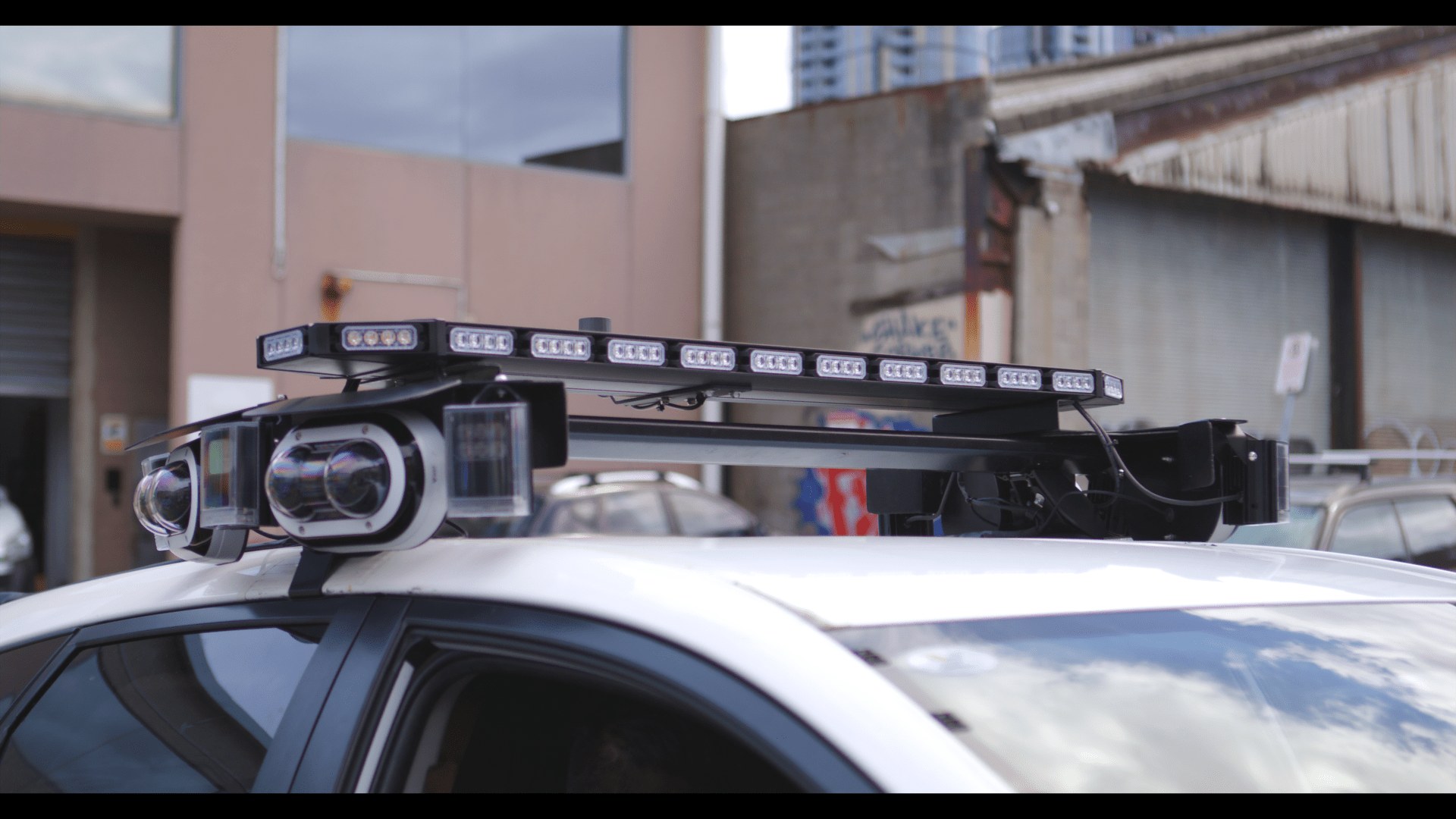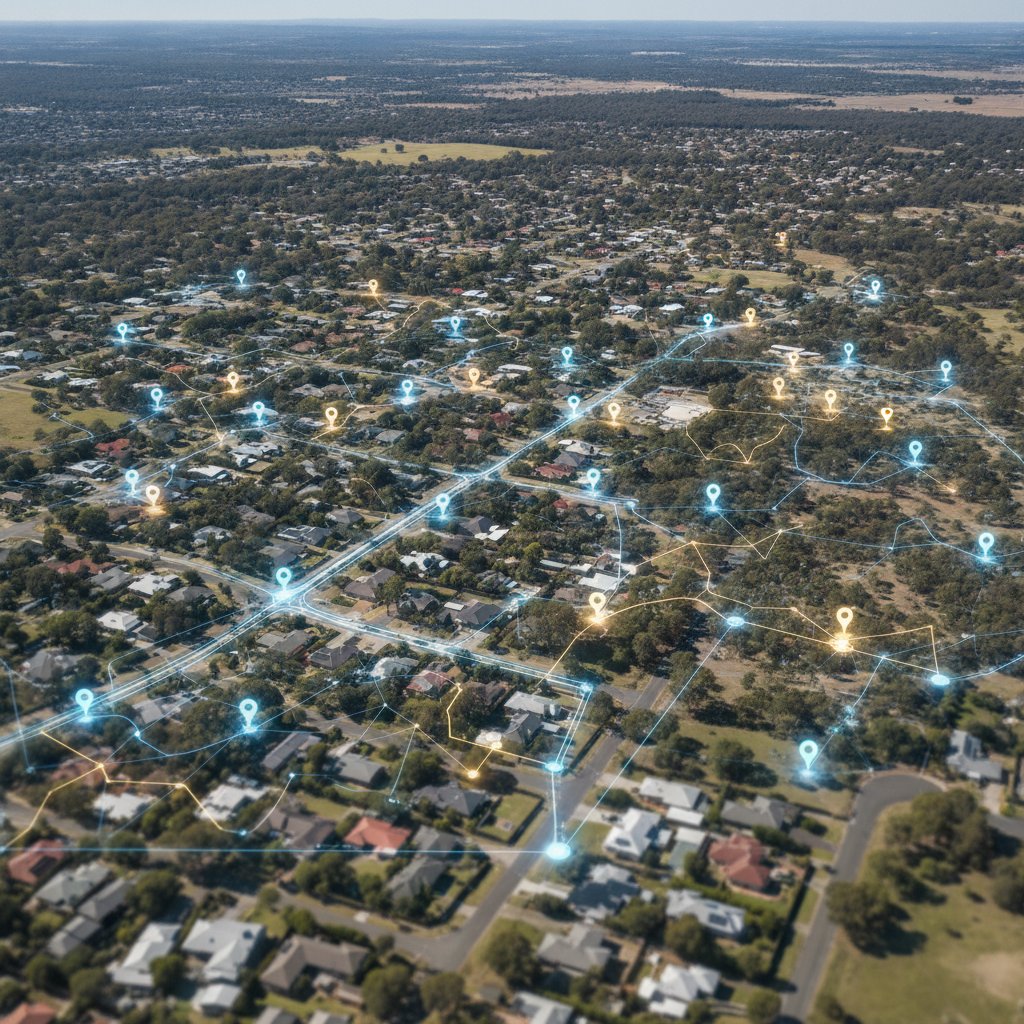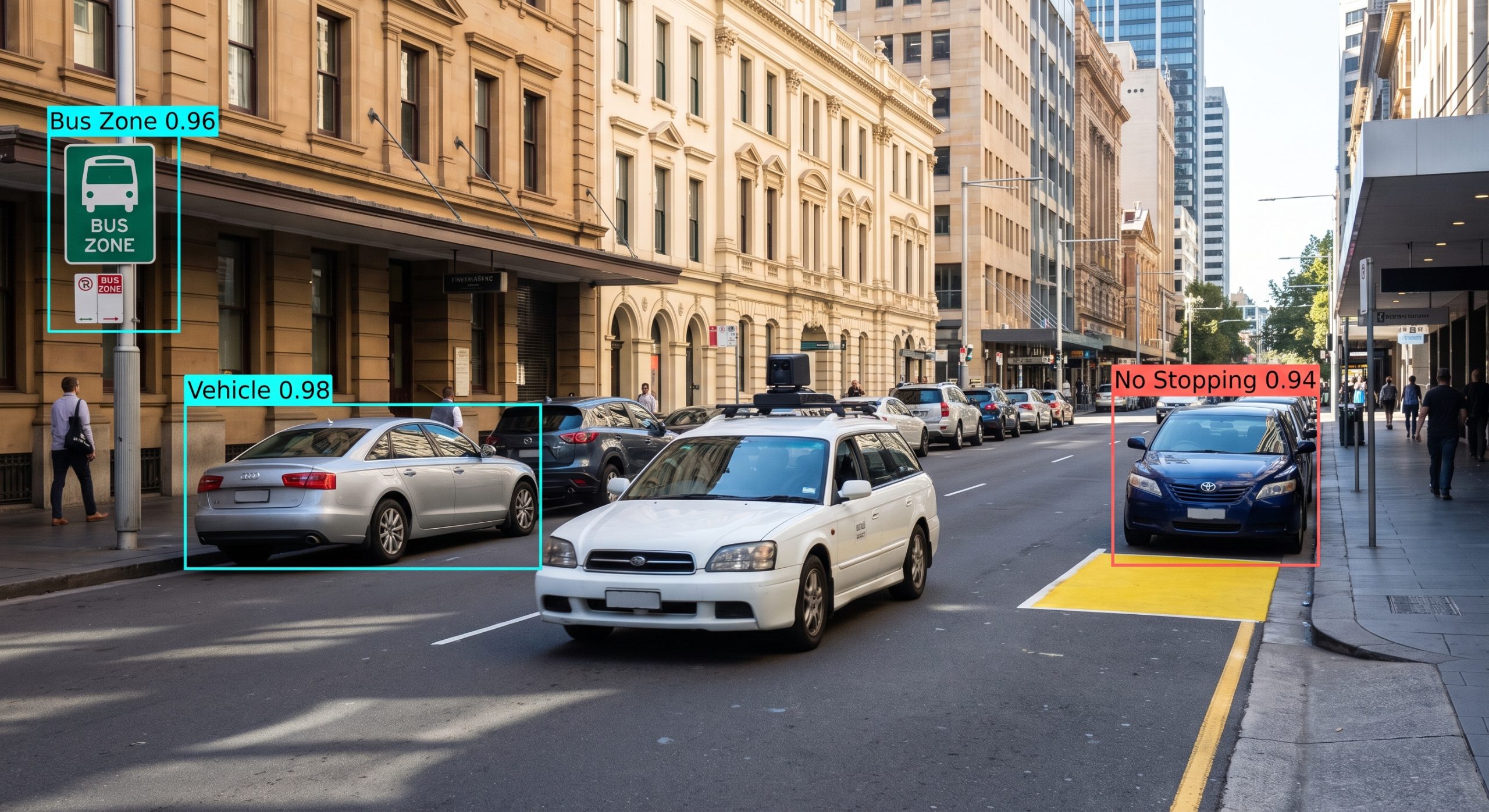
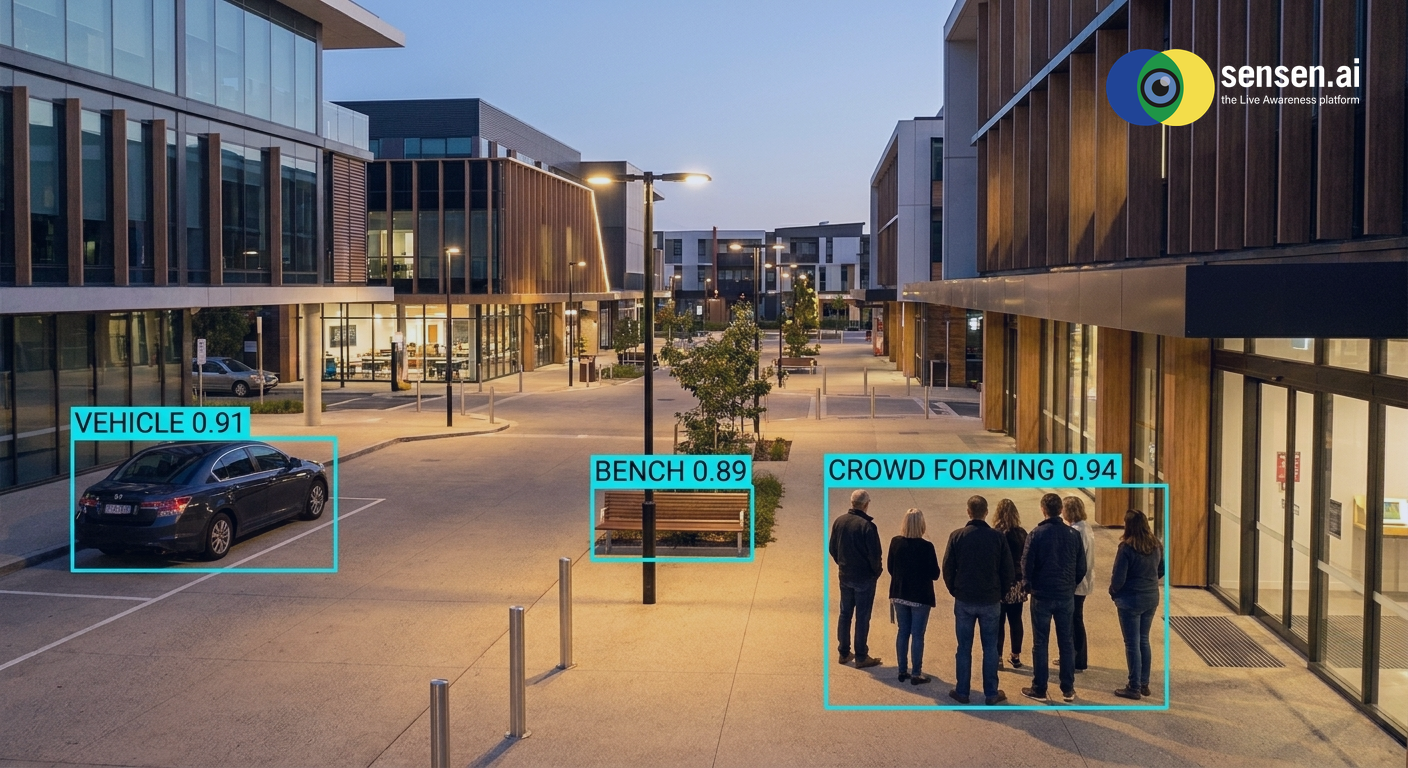
Most councils are not short of cameras. They are short of attention. CCTV video analytics closes that gap by reading the feeds a council already owns and surfacing the handful of moments that need a person, while the rest stays recorded and unwatched. The cameras do not change. What changes is whether anyone finds out in time.
That distinction matters because the usual answer to a public safety concern is more infrastructure. Another camera on another pole, another feed into a control room nobody has the staff to watch. SenSen has spent more than 21 years working in the field for local government, across 70+ cities and governments, and the pattern is consistent. The footage is almost always there. The awareness is not.
Why do councils end up with cameras nobody is watching?
Because camera networks grow one decision at a time. A car park incident adds two cameras. A town centre upgrade adds twelve. A depot compliance requirement adds four more. Nobody ever approves a programme called “double the monitoring team”, so the estate expands and the roster does not.
The result is a network that works beautifully after the fact. When something happens, the footage is pulled, reviewed and handed to the right team. That is genuinely useful for investigations and insurance. It does nothing for the person standing on the street at the time.
What can AI actually detect on a council’s existing CCTV?
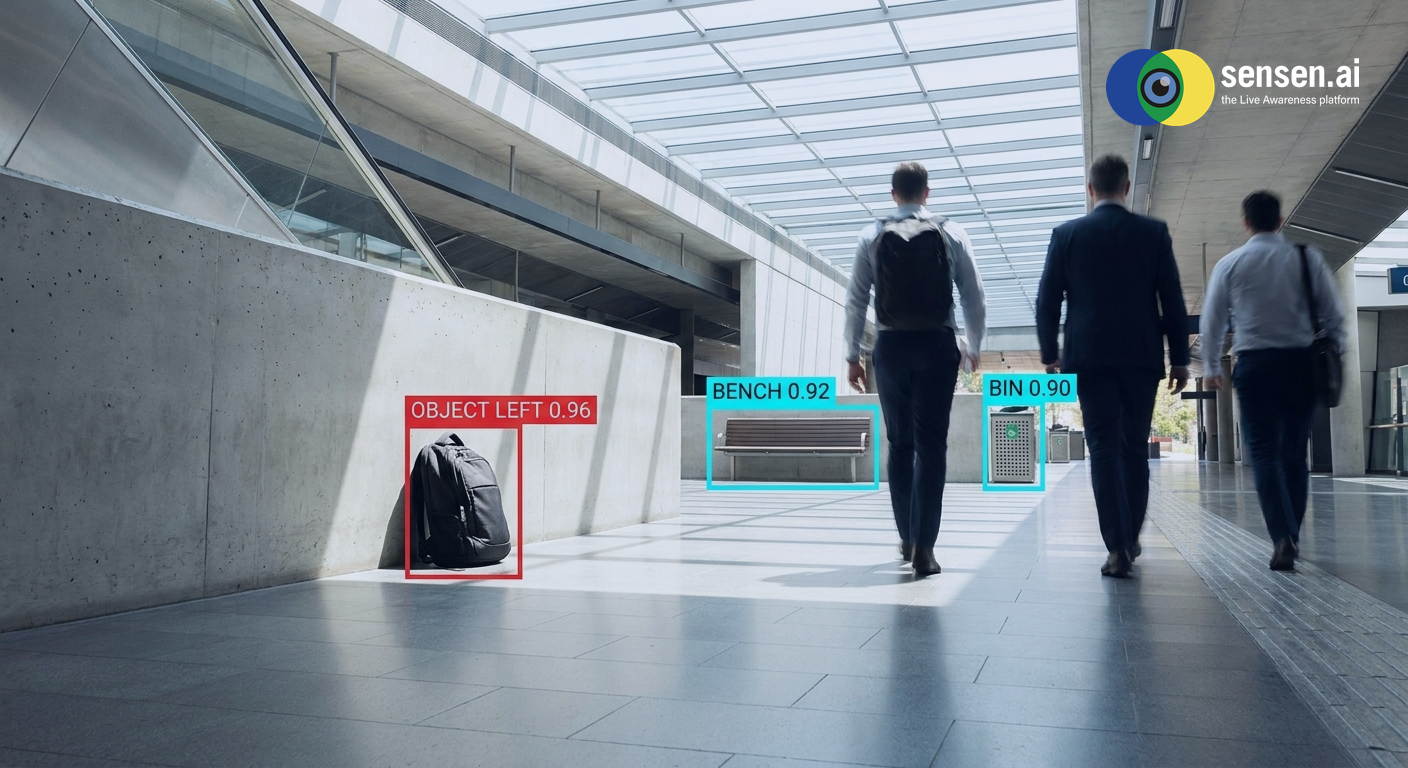
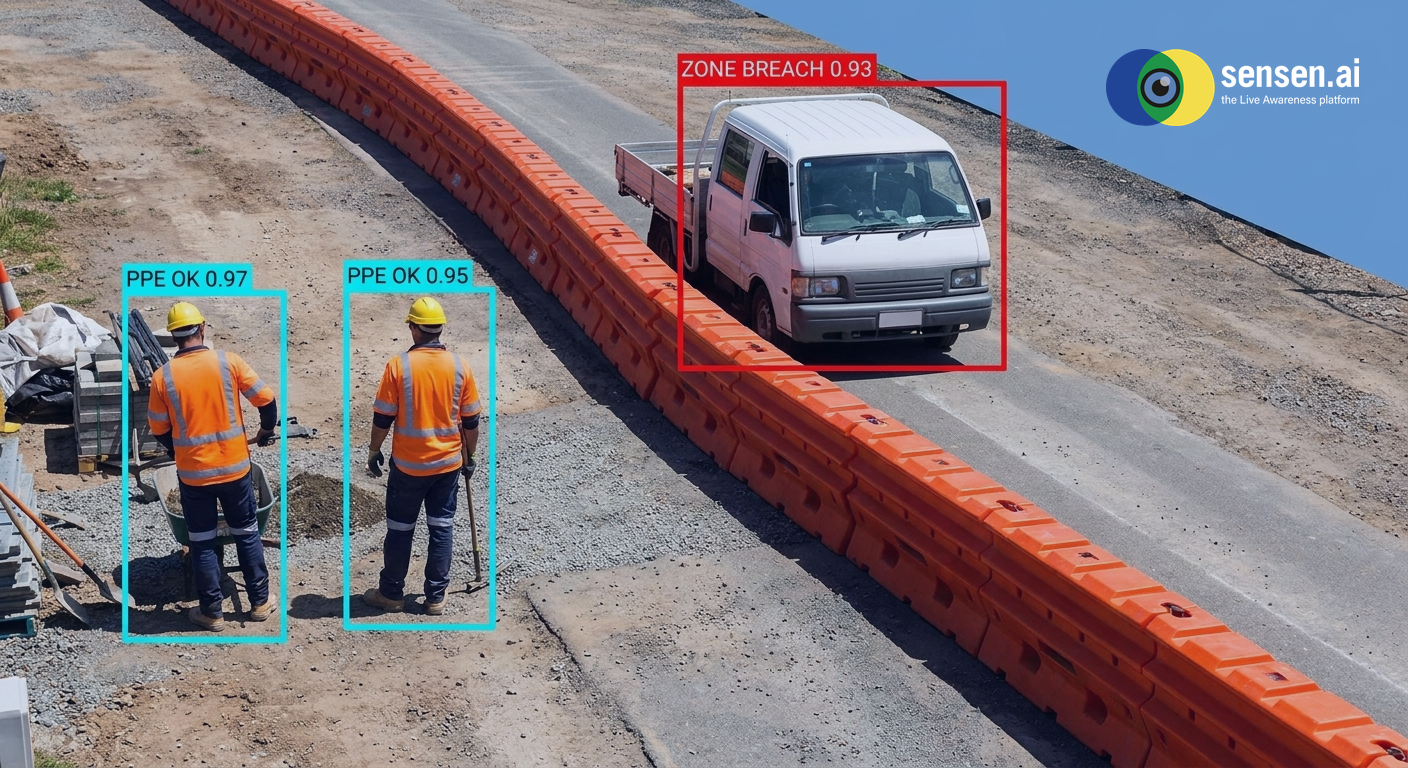
SenSen’s Community Safety solution detects loitering, crowd formation, abandoned objects, restricted zone breaches and PPE non-compliance at council worksites. These are pattern and behaviour events, not identity events. The platform is watching what is happening in a space, not who is in it.
The practical value is in the ordinary cases rather than the dramatic ones. A group building up outside a venue at closing. A bag left against a wall in a transport interchange. A vehicle sitting inside a worksite exclusion zone. Each of these is visible on a feed somebody could have been watching, and each is far cheaper to resolve early than late.
Does this mean replacing the camera network?
No. The solution is camera-agnostic and runs on the CCTV a council already has, with no rip-and-replace. It works with the video management systems councils already run, so the existing recording, retention and access arrangements stay in place.
This matters more than it sounds. Camera replacement programmes are capital projects with procurement cycles, installation windows and asset registers attached. Reading the existing feeds differently is a software decision. One takes years and a business case. The other can start on a handful of cameras next quarter.
How does this work without facial recognition?
Privacy by design, no facial recognition, behaviour patterns only. The platform classifies what is occurring in a scene, such as a crowd forming or an object left behind, and it does not attempt to identify the people involved.
This is a deliberate design position rather than a limitation to work around. Community safety technology in public space lives or dies on public trust, and the fastest way to lose a council chamber is to bring an identity-matching system to a governance discussion. Detecting a behaviour pattern is a materially different proposition to recognising a face, and it should be described as such in every report that goes to a committee.
What does it change for the team on shift?
It changes what reaches them. The platform tiers events by severity so that a high-risk situation briefs an operator immediately, a mid-tier event is proposed for review, and routine false alarms are resolved before they interrupt anyone.
Alert fatigue is the failure mode that kills most CCTV video analytics deployments. A system that flags every swaying tree branch and every headlight at 2am gets muted within a fortnight, and the council is back to reviewing footage after the fact with an extra subscription to justify. The measure of a good deployment is not how many alerts it raises. It is how few, and how many of those were worth a person’s time.
Officers keep the judgement call. The platform decides what is worth looking at, and the officer decides what to do about it. Community safety work is contextual, and no detection model knows that the crowd outside the hall on a Thursday is the choir practice finishing.
Where does community safety sit alongside a council’s other field operations?
On the same platform as the rest of it. Community Safety is one of five solutions SenSen runs for local government, alongside Compliance and Parking, Roads and Infrastructure, Asset Management, and Business Intelligence. Councils typically arrive through one of them and extend into others once the platform is proven in their own environment.
That is the usual path. The Hills Shire Council has run SenSen cameras across 30 school zones since 2019, and heavy-vehicle complaints on the monitored route fell from 286 to 160. The City of Adelaide runs its Park Safe programme across 10,319 zones, with 21 per cent of expiations coming through the programme in FY24-25 and no staff injuries in over four years of operation. Both are compliance deployments rather than CCTV ones, and both are the reason the community safety conversation tends to be a short one when it comes.
How do councils start without a large programme?
With a small number of cameras and one clearly defined question. A town centre after dark, a problem car park, a depot with a worksite compliance obligation. Pick the location where the current answer is “we review the footage on Monday” and see what changes when the answer becomes “we knew on Friday night”.
Starting narrow does two useful things. It produces evidence in the council’s own environment rather than someone else’s case study, and it gives the governance conversation something concrete to assess. A committee reviewing a proposal for three cameras in one car park asks better and more answerable questions than a committee reviewing a proposal for the whole network.
Frequently asked questions
What is CCTV video analytics?
CCTV video analytics is software that reads live camera feeds and identifies events as they occur, rather than storing footage for review afterwards. In a local government setting it surfaces behaviour and pattern events, such as loitering, crowd formation or an abandoned object, and routes them to an operator while there is still time to act.
Does SenSen’s Community Safety solution use facial recognition?
No. It is privacy by design and detects behaviour patterns only. The platform classifies what is happening in a space and does not identify individuals.
Do we need to replace our existing cameras?
No. The solution is camera-agnostic and runs on existing CCTV with no rip-and-replace, working alongside the video management system already in place.
What events can it detect?
Loitering, crowd formation, abandoned objects, restricted zone breaches and PPE non-compliance at council worksites.
Will it flood our team with alerts?
No. Events are tiered by severity, so high-risk situations brief an operator immediately, mid-tier events are proposed for review, and routine false alarms are resolved before they reach anyone.
Does this replace our security or compliance officers?
No. The platform decides what is worth looking at and the officer decides what to do about it. The intent is to give a small team useful coverage of a large camera estate, not to remove the people who respond.
Can it monitor council worksites as well as public space?
Yes. PPE non-compliance and restricted zone breaches at council worksites are part of the standard detection set, which is why the solution often lands with works and safety teams as well as community safety teams.
How does it fit with the rest of our SenSen deployment?
Community Safety is one of five solutions on the same platform, alongside Compliance and Parking, Roads and Infrastructure, Asset Management, and Business Intelligence. Councils commonly start with one and extend, with reporting across all of them in one place.
How small can a first deployment be?
Small. A single location with a defined question is a legitimate starting point, and it is usually a better basis for a governance discussion than a network-wide proposal.
How do we handle the privacy and governance conversation?
Lead with what the system does not do. Behaviour detection without identity matching is a different proposition to facial recognition, and framing it accurately at the start avoids the objection that stops most public-space technology proposals.
Where to next
If the cameras are already in the ground, the question is not whether to invest in monitoring. It is whether the footage stays a record or becomes awareness.
See how it works across a council’s field operations, or talk to our team about the location you would start with.